
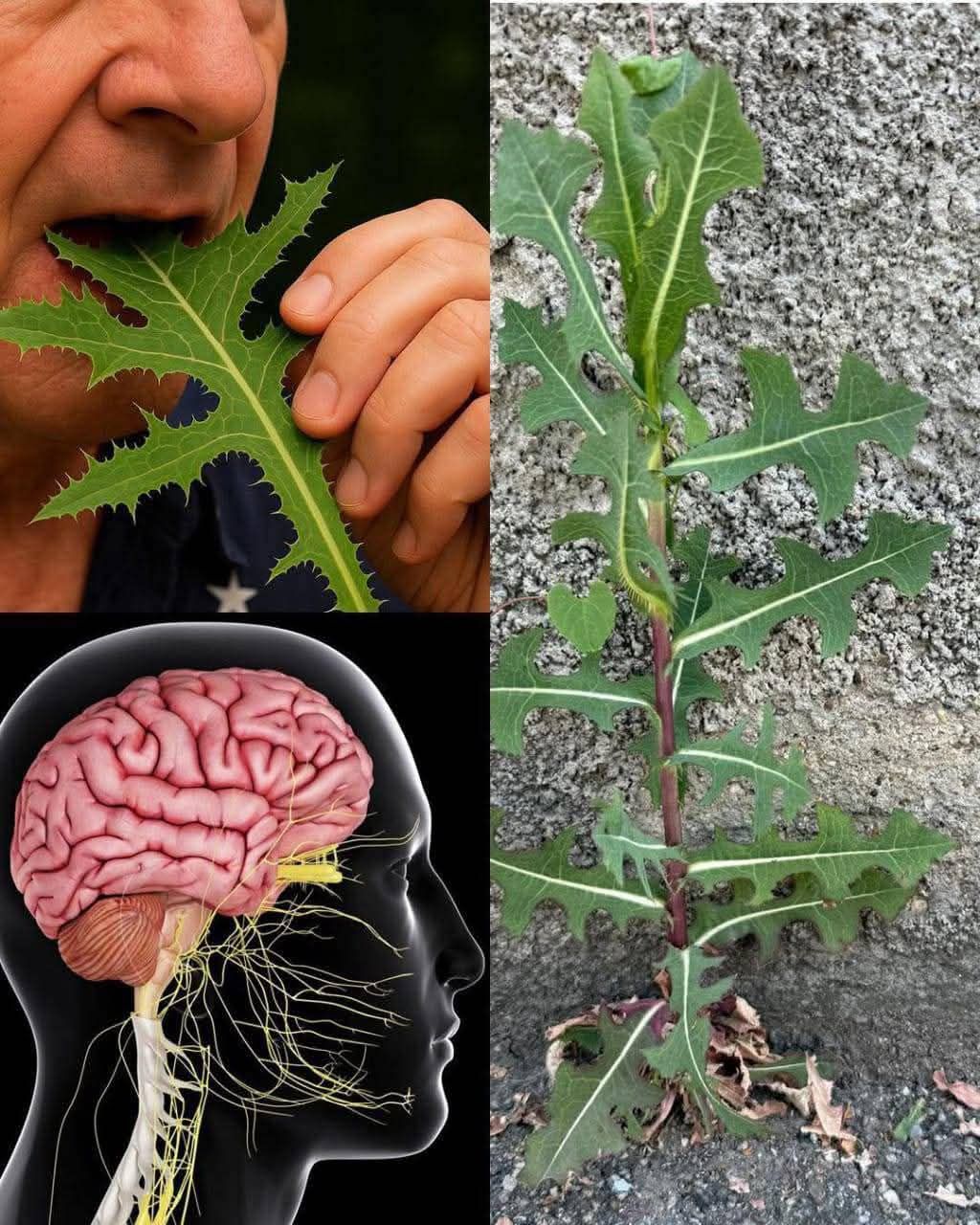
- Add young, tender leaves to salads for a slightly bitter, nutritious boost.
- Steam or sauté the leaves as a side dish, similar to spinach or kale.
- Blend into green smoothies for added fiber and nutrients.
- Use in soups or stews for subtle flavor and extra nutrition.
Safety Tips:
- Harvest young leaves for the best taste and minimal bitterness.
- Wash thoroughly to remove dirt and potential contaminants.
- Consume in moderation; excessive intake may cause digestive discomfort due to its fiber content and bioactive compounds.
- Consult a healthcare provider if pregnant, breastfeeding, or taking medications, as some compounds may interact with certain treatments.
Conclusion:
Lactuca serriola, or Prickly Lettuce, is a wild leafy green with a range of nutritional and medicinal benefits. From supporting digestion and reducing inflammation to providing antioxidants and essential vitamins and minerals, incorporating this leafy green into your diet can contribute to overall well-being. Enjoy it in moderation, and it can become a valuable addition to a balanced and health-conscious lifestyle.
FAQ:
What does Prickly Lettuce taste like?
Young leaves have a mild, slightly bitter flavor, which mellows when cooked.
Can I eat it raw?
Yes, young leaves are best eaten raw in salads, but older leaves may be tough and bitter.
Are there any side effects?
Overconsumption may cause mild digestive upset due to fiber content. Always start with small amounts.
Where can I find Lactuca serriola?
It grows wild in fields, roadsides, and disturbed soils. Ensure proper identification before harvesting.
Can children eat Prickly Lettuce?
Yes, in small quantities, young leaves can be safely included in salads or cooked dishes for children.
