
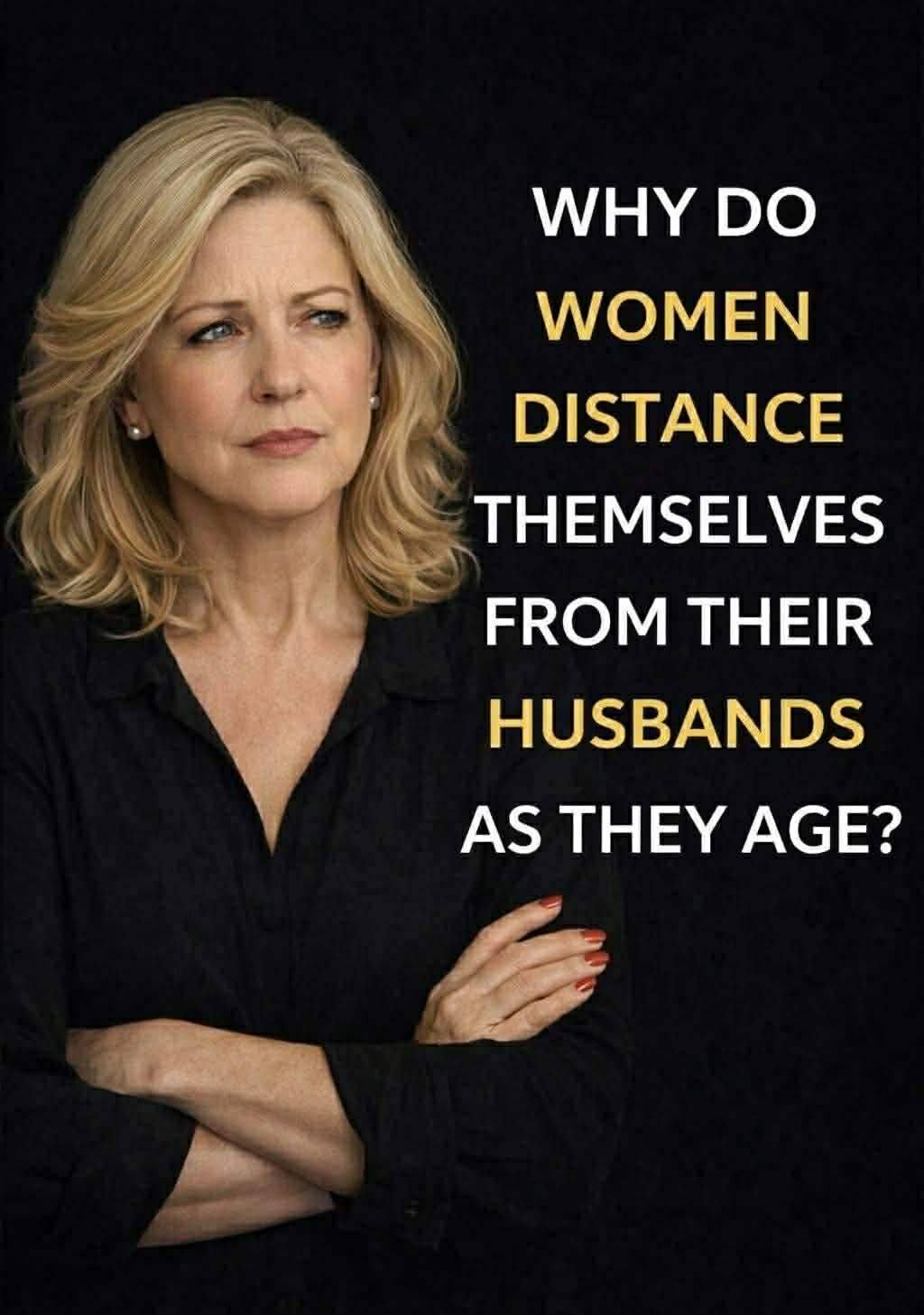
Marriage is often celebrated as a beautiful partnership built on love, trust, and shared aspirations. However, even the strongest relationships can face challenges that lead to emotional fatigue, known as marriage burnout. This phenomenon develops gradually, often unnoticed, as couples juggle responsibilities and navigate unmet expectations. Recognizing the signs and understanding the causes of marriage burnout can be the first step toward revitalizing your relationship and fostering deeper connections.
What Is Marriage Burnout?
Marriage burnout refers to a state of emotional fatigue within a relationship. It manifests in various ways, including:
- Constant irritation or impatience
- Emotional distance
- Feeling unappreciated or misunderstood
- Lack of excitement or affection
- Avoiding meaningful conversations
This condition does not necessarily indicate that love has faded; rather, it often signifies that both partners are overwhelmed and struggling to connect.
Common Causes of Marriage Burnout
1. Work Stress and Financial Pressure
Long hours and career demands can drain emotional energy, leading to a transactional dynamic in conversations. When both partners are exhausted, discussions often revolve around bills and logistics, leaving little room for intimacy and emotional connection.
2. Parenting Demands
While raising children is rewarding, it can also be physically and mentally exhausting. The constant caregiving and shifting priorities can unintentionally push the relationship to the background, making partners feel more like co-managers of a household than romantic partners.
3. Unrealistic Expectations
Cultural narratives and social media often portray marriage as effortlessly passionate. However, real relationships involve compromise and conflict resolution. When expectations do not align with reality, disappointment can grow, even in otherwise healthy marriages.
4. Emotional Neglect (Unintentional)
Burnout can stem from small, unintentional patterns such as not expressing appreciation, rarely spending quality time together, or avoiding difficult conversations. These habits, often a byproduct of busyness and stress, can create emotional distance over time.
5. Lack of Personal Space
Ironically, spending all your time together, especially under stress, can contribute to burnout. Healthy relationships require both connection and individuality, and without personal time to recharge, resentment can quietly build.
