Toxic mold exposure is an increasingly pressing issue, particularly in regions prone to high humidity or water damage. Mold spores, which are microscopic fungi, flourish in damp and warm environments, posing various health risks when inhaled. Many individuals remain unaware of mold’s presence in their homes or workplaces, making it essential to recognize the signs and symptoms of exposure early on. By doing so, you can prevent long-term health complications and create a safer living environment.
Understanding Toxic Mold and Its Sources
Toxic mold, especially species like Stachybotrys chartarum, commonly referred to as black mold, typically thrives in areas with persistent moisture. This includes locations affected by leaks, floods, or inadequate ventilation. Mold can grow on various surfaces, such as wood, paper, carpet, and even food. Identifying and addressing these sources is crucial to preventing mold growth. Regular inspections and maintenance of plumbing, roofing, and ventilation systems can significantly reduce the risk of mold development.
Health Risks Associated with Toxic Mold
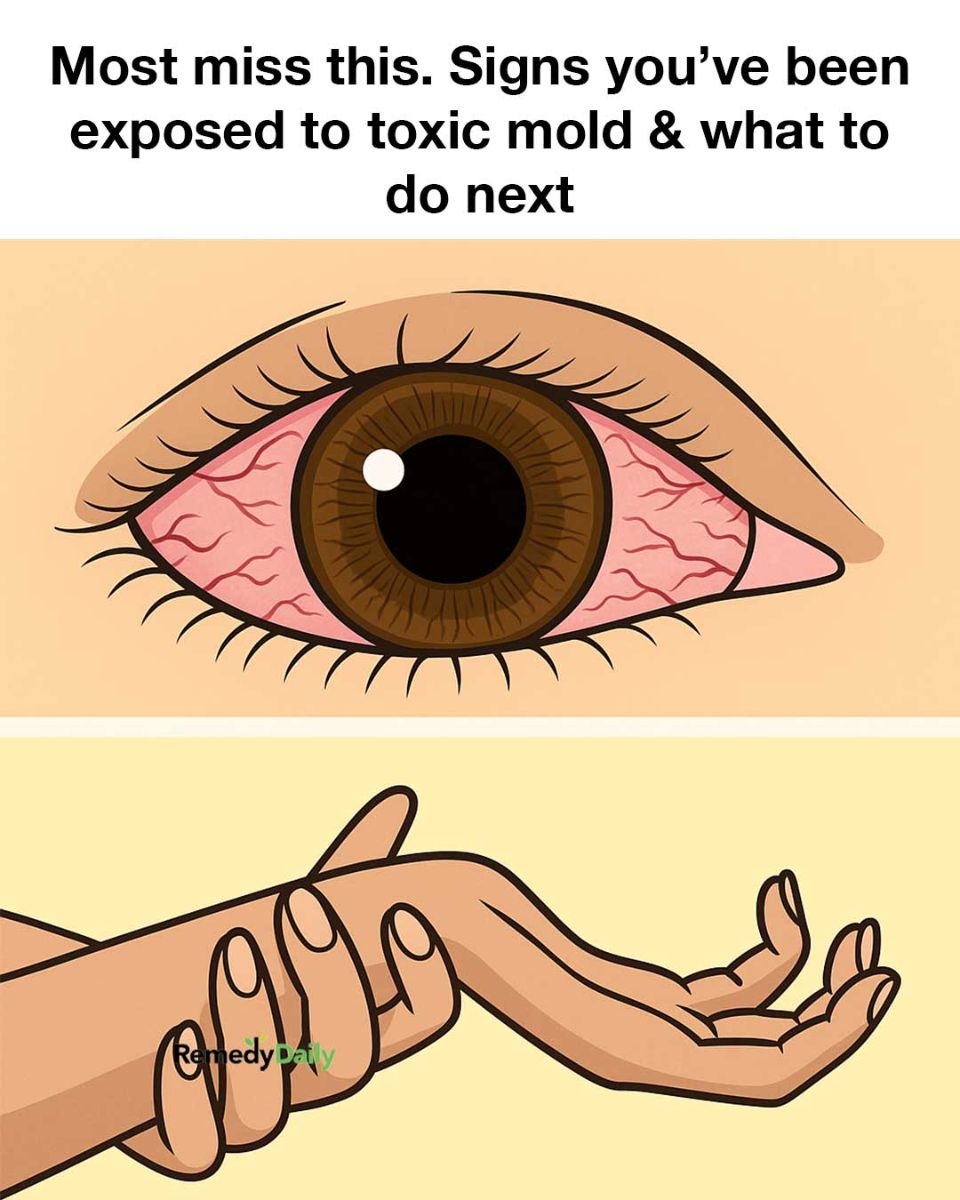
Exposure to toxic mold can lead to a wide range of health issues, from mild allergic reactions to severe respiratory problems. Common symptoms include persistent coughing, sneezing, skin irritation, and eye redness. In more severe cases, individuals may suffer from asthma attacks, chronic sinus infections, and neurological symptoms like headaches and memory loss. Vulnerable groups, including those with compromised immune systems, children, and the elderly, are particularly at risk for the adverse effects of mold exposure.
Top 10 Signs You’ve Been Exposed to Toxic Mold
1. Persistent coughing and sneezing.
2. Unexplained skin rashes or irritation.
3. Chronic fatigue or weakness.
