
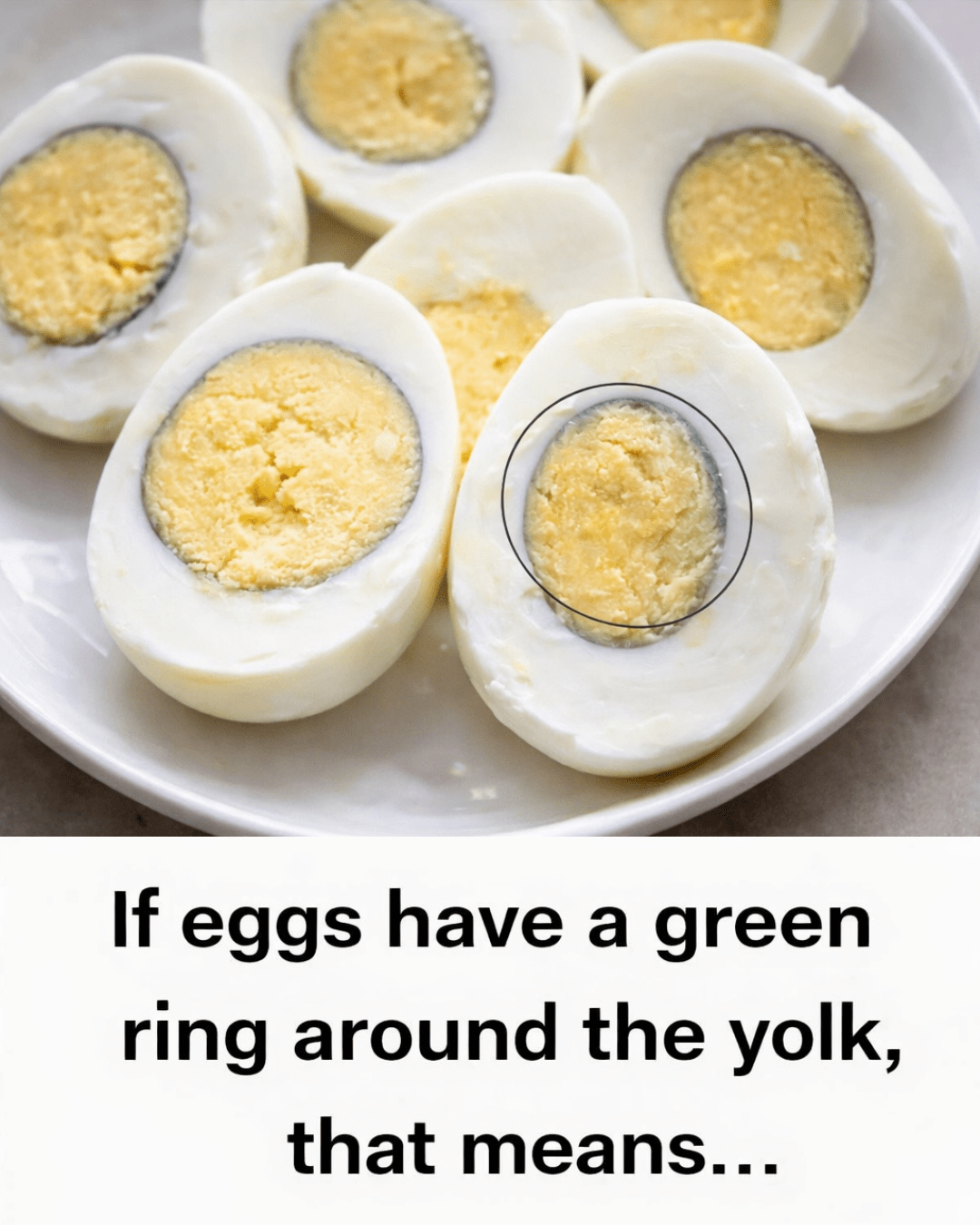
Have you ever sliced into a hard-boiled egg only to be greeted by an unappealing green ring around the yolk? This common kitchen mishap can be disheartening, especially when you’re trying to impress family or friends with your culinary skills. But fear not! The green ring is harmless and stems from a simple chemical reaction that you can easily control. In this article, we’ll explore the science behind this phenomenon and provide you with foolproof methods to achieve perfectly cooked eggs every time.
What Causes the Green Ring Around the Yolk?
The appearance of a green ring around the yolk can be frustrating, particularly when preparing meals for gatherings. This discoloration is a natural reaction that occurs after cooking and does not indicate spoiled ingredients. Many cooks, especially those in their 40s and beyond, may feel defeated when they encounter this issue, as it can make even the simplest of dishes look unappetizing.
The good news is that this green ring is completely safe and offers an interesting insight into the chemistry of cooking.
The Science Behind the Green Ring
Food scientists explain that the green ring forms when sulfur in the egg white reacts with iron in the yolk due to prolonged heat exposure, resulting in a harmless compound known as ferrous sulfide. This reaction is a common topic in food chemistry studies and is purely cosmetic. The longer the eggs are exposed to heat, the more pronounced the green ring becomes, but it never signifies that the eggs are unsafe to eat.
Common Reasons for the Green Ring
Overcooking is the primary culprit behind the green ring around the yolk. Hard-boiled eggs are subjected to heat for longer periods than softer-cooked eggs, allowing the sulfur and iron to react more extensively. Other factors that contribute to this issue include:
