Every day, countless individuals purchase meat, believing they are bringing home a fresh, healthy, and high-quality product. However, many are unaware of the deceptive practices employed by supermarkets, butcher shops, and restaurants that can jeopardize both health and finances. This article unveils the alarming truths behind meat quality, revealing how consumers can protect themselves from potential fraud.
The Big Deception: Meat That Is NOT What It Seems
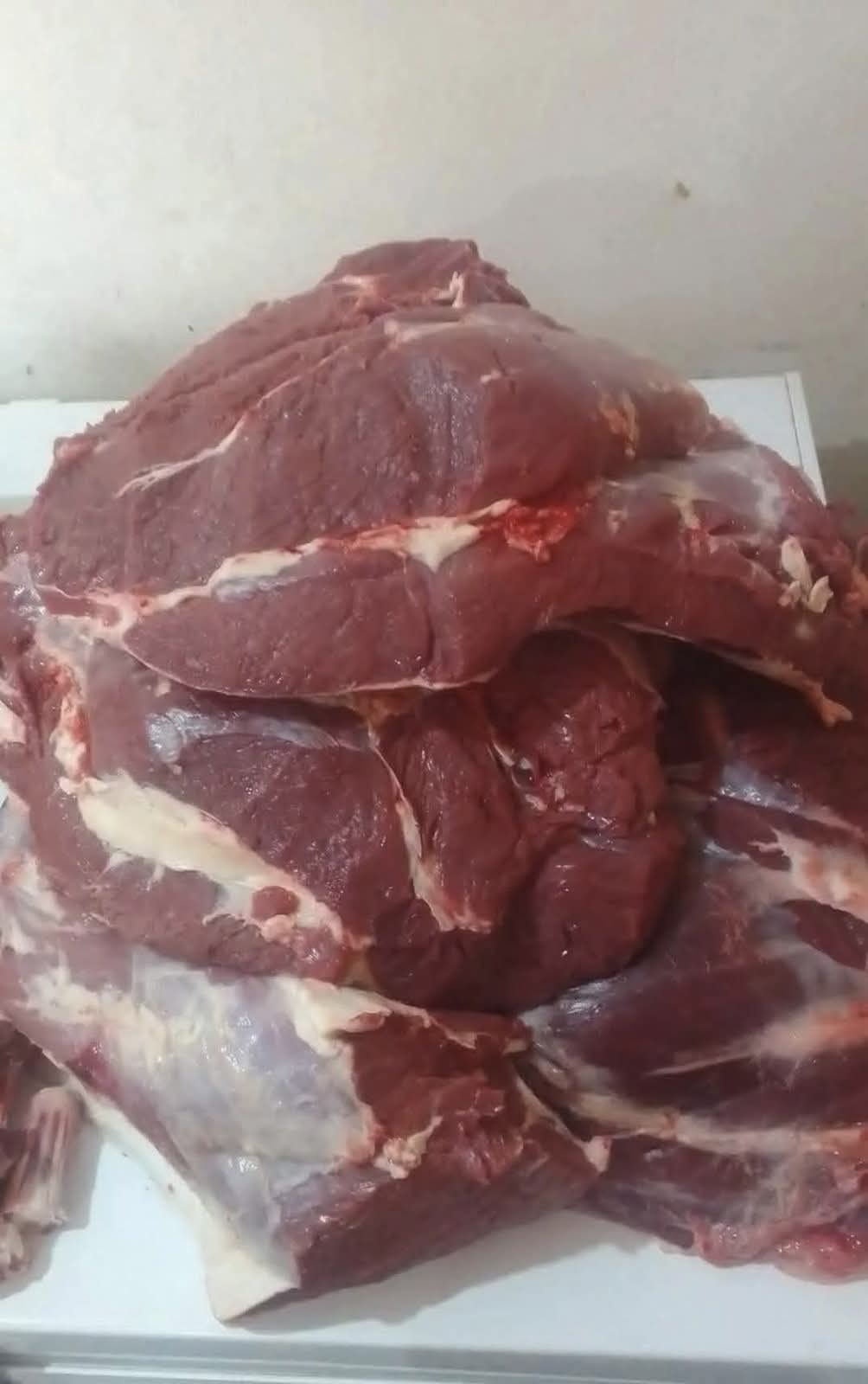
One of the most prevalent forms of deception in the meat industry involves selling old meat as if it were fresh. Other common practices include thawed meat being marketed as “freshly cut,” low-quality meat disguised as premium options, and meat treated with chemicals to enhance its color and smell. In extreme cases, meat blends may not even match what the label claims. Often, the meat you purchase has been stored for days or weeks, only to be “revived” to give the illusion of freshness.
How Is Meat Disguised?
To mislead consumers, various tactics are employed. These include the use of dyes and gases that make the meat appear red and shiny, the injection of water and salts to artificially increase weight, and the freezing and refreezing of meat, which can significantly deteriorate its quality. Additionally, some meat is washed with substances that temporarily mask unpleasant odors. Unfortunately, while the appearance may be enticing, the meat often loses essential nutrients and can harbor dangerous bacteria.
Consuming spoiled or improperly handled meat poses serious health risks, including food poisoning and bacterial infections such as Salmonella, E. coli, and Listeria. Symptoms can range from stomach pain and diarrhea to vomiting, and in the long term, individuals may face digestive and inflammatory issues. Alarmingly, many people fail to connect their symptoms to the meat they consumed days earlier, leading to ongoing health problems.
