
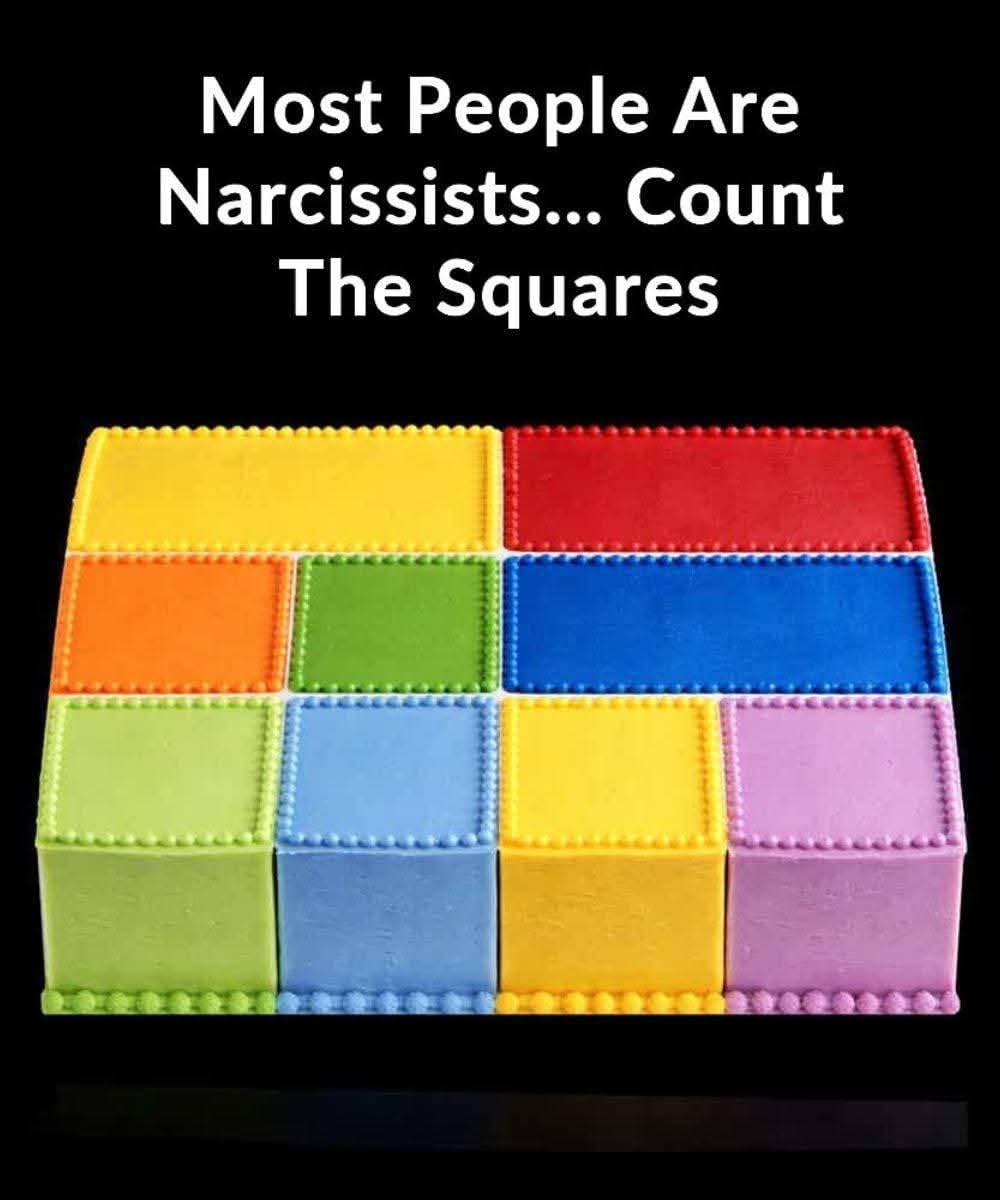
At first glance, a colorful arrangement of square blocks may seem like a simple visual puzzle, inviting you to count the squares. However, this seemingly playful brain teaser reveals profound insights about human perception, attention, and the nuances of ego. As you engage with this challenge, consider not just the number of squares you see, but what your answer says about your perspective and willingness to reconsider.
The Challenge of Counting Squares
So, how many squares do you see? Some individuals answer quickly, counting only the obvious top-facing squares. Others take a more careful approach, including the front-facing ones. A few may even examine the edges to uncover hidden overlaps. The number of squares counted varies significantly based on how deeply one observes the arrangement.
The Psychology Behind Our Perception
Human perception is inherently selective. Our brains are designed to process information rapidly and efficiently, often leading us to focus solely on what is most apparent—the surfaces directly in front of us. This tendency is closely linked to cognitive bias, where we trust our first impressions and believe our interpretations are accurate. When confronted with differing opinions, we may dismiss them rather than reconsider our own views.
The Connection to Narcissism
The term “narcissist” is frequently used in everyday conversation, but clinically, it refers to an inflated sense of self-importance and a profound need for admiration. In daily interactions, mild narcissistic traits can manifest in subtle ways. For instance, when someone confidently declares, “There are 8 squares,” they may feel assured of their correctness. If another person counters with, “Actually, there are 12,” the initial reaction might not be curiosity but defensiveness, as they cling to their perspective.
