
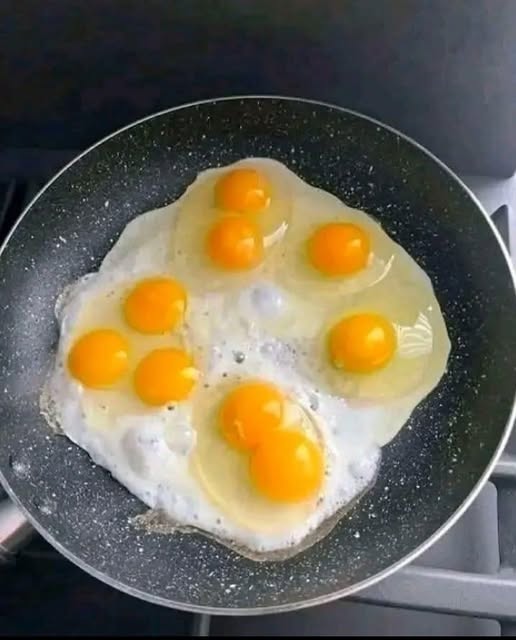
At first glance, a simple scene of golden yolks glistening in a hot pan may seem unremarkable. However, this sizzling image of eggs frying side by side opens a portal into a world rich with science, tradition, artistry, and nourishment. Eggs are among the most universal foods on Earth—humble, affordable, and endlessly adaptable. Yet, mastering the art of cooking eggs, especially the deceptively simple fried egg, is a quiet triumph for home cooks everywhere. Let’s delve into what makes eggs so extraordinary, from their biology to their culinary brilliance.
The Global Love Affair with Eggs
Eggs transcend borders and cultures, serving as a versatile ingredient in cuisines worldwide. From French omelets to Chinese tea eggs, Mexican huevos rancheros to Middle Eastern shakshuka, they are a canvas for creativity and cultural expression. The image of several eggs frying together—yolks vibrant and whites tender—represents more than just indulgence; it’s a testament to abundance.
Those rich, orange-yellow centers are not only visually appealing but also signal freshness and nutrient density. While we often fry one or two eggs, cooking multiple eggs at once presents both a challenge and a joy. It requires precision in keeping yolks intact, whites evenly set, and timing just right. In many cultures, eggs symbolize rebirth, fertility, and new beginnings—a fitting metaphor for their role in both sustenance and celebration.
