
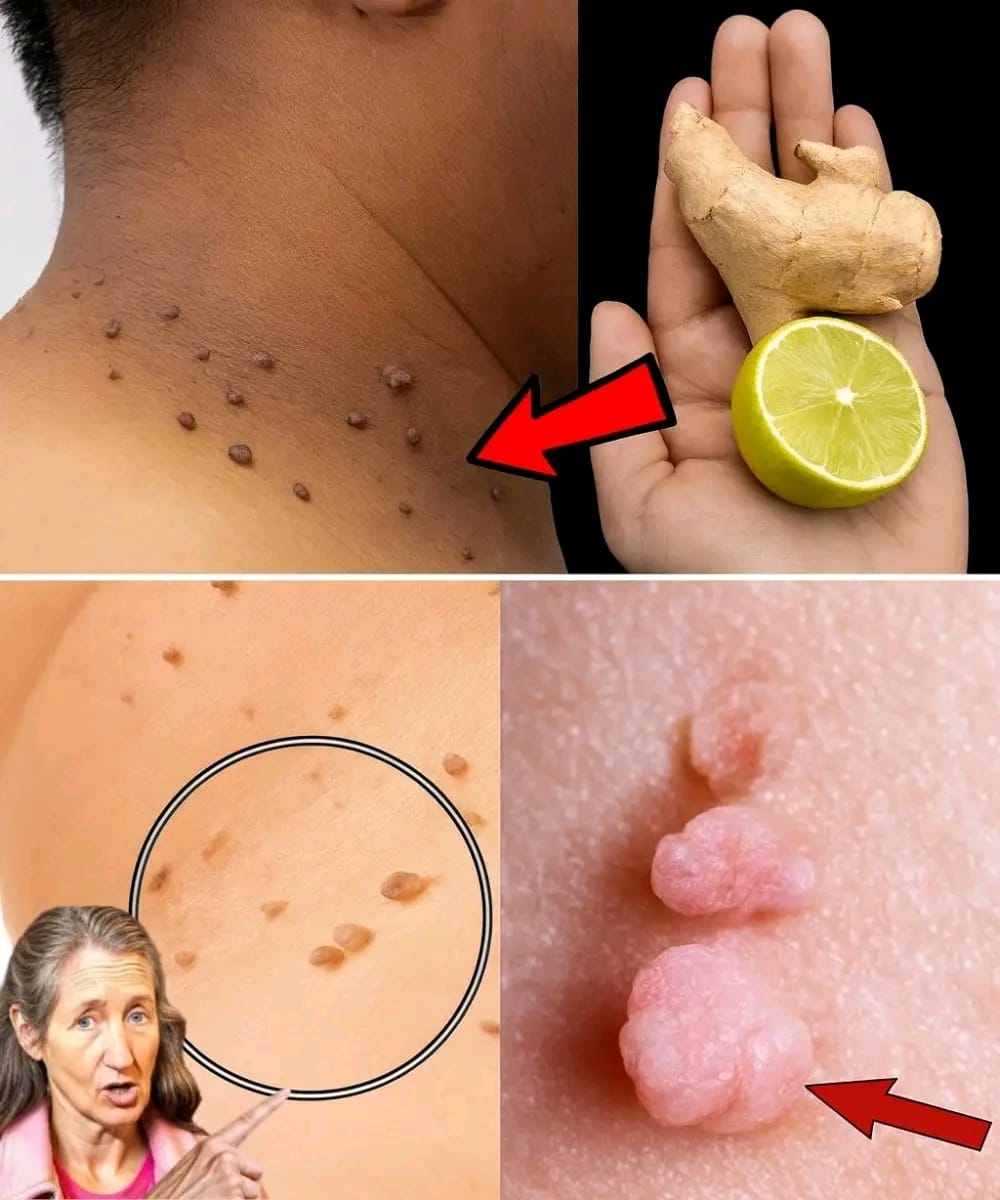
Have you ever spotted a small, soft bump on your skin that made you pause in front of the mirror? Skin tags, while harmless, can feel like unwelcome intruders, affecting your confidence. What if you could eliminate them using ingredients you already have in your kitchen? With lemon and ginger, two everyday powerhouses, you can gently fade those pesky skin tags without resorting to expensive treatments or harsh chemicals. Let’s explore this simple, natural remedy that can help you reclaim your smooth, flawless skin!
Understanding Skin Tags: Causes and Concerns
Skin tags are small, benign growths that often form in areas where skin rubs against skin, such as the neck, armpits, or chest. While they are harmless, they can be bothersome, especially if they snag on clothing or jewelry. Although professional removal is an option, it can be costly and unnecessary for small, non-irritating tags. This is where the natural remedy of lemon and ginger comes into play—a gentle approach that is both effective and budget-friendly.
The Benefits of Lemon and Ginger: A Natural Solution
Why are lemon and ginger such a powerful combination for tackling skin tags? Their unique properties work in harmony to support your skin’s natural healing process. Let’s delve deeper into their benefits:
Lemon Juice: The Brightening Agent
Lemon juice is a skincare superstar, thanks to its natural citric acid. This gentle acid helps to dry out skin tags over time, encouraging them to shrink and eventually fall off. Additionally, lemon’s antibacterial and cleansing properties keep the treated area fresh and irritation-free, providing your skin with a clean slate to shine.
Ginger: The Soothing Companion
Ginger is not just for culinary delights; it’s also a skincare gem packed with antioxidants and anti-inflammatory compounds. These properties help calm the skin, reduce redness, and support recovery, making ginger the perfect partner for lemon’s drying action. Together, they create a balanced, gentle solution that nurtures your skin without the use of harsh chemicals.
