
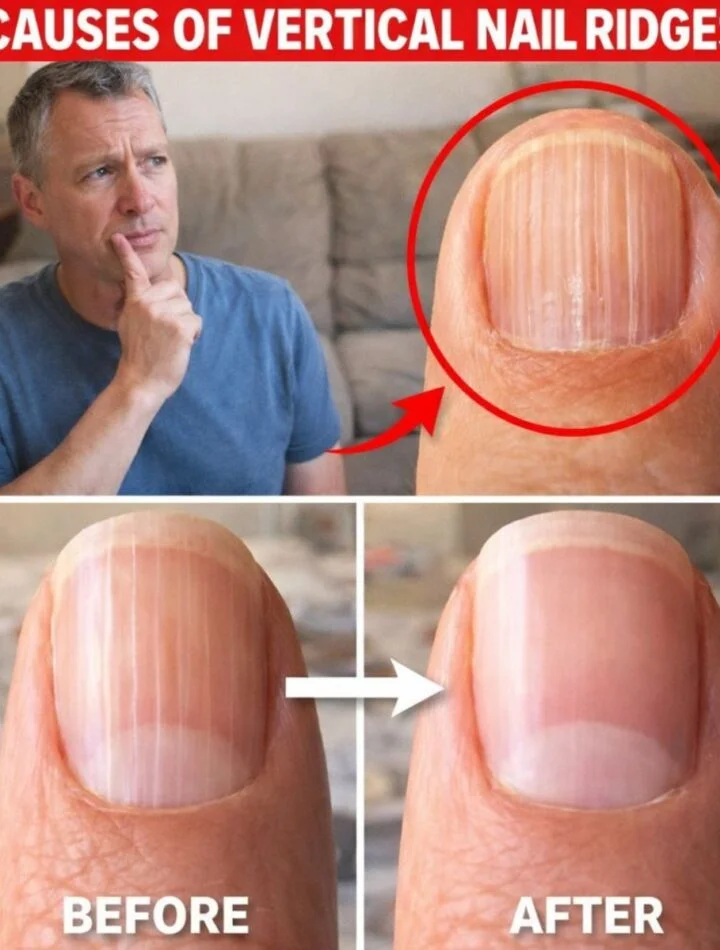
Have you ever noticed unusual lines on your nails while pouring your morning coffee? These subtle ridges may seem like a normal part of aging, but they could be your body’s way of signaling deeper health issues. In this article, we will explore the common patterns of nail ridges, what they might indicate about your health, and the steps you can take to address them before they escalate into larger concerns.
Why Nails Often Reveal Health Changes Doctors Miss
Your nails grow from a living area called the nail matrix, located just beneath the cuticle. This matrix is highly sensitive to various factors affecting your body, including nutrient levels, blood flow, inflammation, and hormone balance. When something disrupts normal growth—even temporarily—the result manifests as visible changes like ridges, much like growth rings in a tree.
Research published in the Journal of the American Academy of Dermatology indicates that while nail changes are common, dermatologists correctly associate them with underlying conditions in only about 38% of cases during the first visit. The good news? You can learn to recognize these patterns yourself.
The 5 Most Common Nail Ridge Patterns—and What They Could Mean
Here are the five most frequently observed ridge types, along with the health factors that research has linked to them.
1. Vertical Ridges (Running from Cuticle to Tip)
These faint lengthwise lines are extremely common after age 50, as natural oil production in the nail decreases. Studies suggest that up to 50% of adults over 50 exhibit some degree of vertical ridging. However, when the ridges become deep or pronounced, they may be associated with:
- Iron deficiency (observed in 20–30% of individuals with anemia)
- B-vitamin deficiencies, particularly B12 or folate
- Thyroid imbalances
- Inflammatory conditions like rheumatoid arthritis (present in about 40% of cases)
Quick self-check: Run your fingertip across your nails. Do you feel raised vertical lines? Notice how prominent they are.
2. Horizontal Ridges (Beau’s Lines)
These deep grooves or indentations running across the nail occur when nail growth temporarily halts due to significant physical stress. Common triggers linked to Beau’s lines include:
- High fever or serious infection
- Major surgery or trauma
- Uncontrolled diabetes
- Severe malnutrition
- Certain medical treatments like chemotherapy
A review in the American Journal of Medicine notes that these lines typically appear 1–2 months after the triggering event, with deeper grooves suggesting greater stress.
