
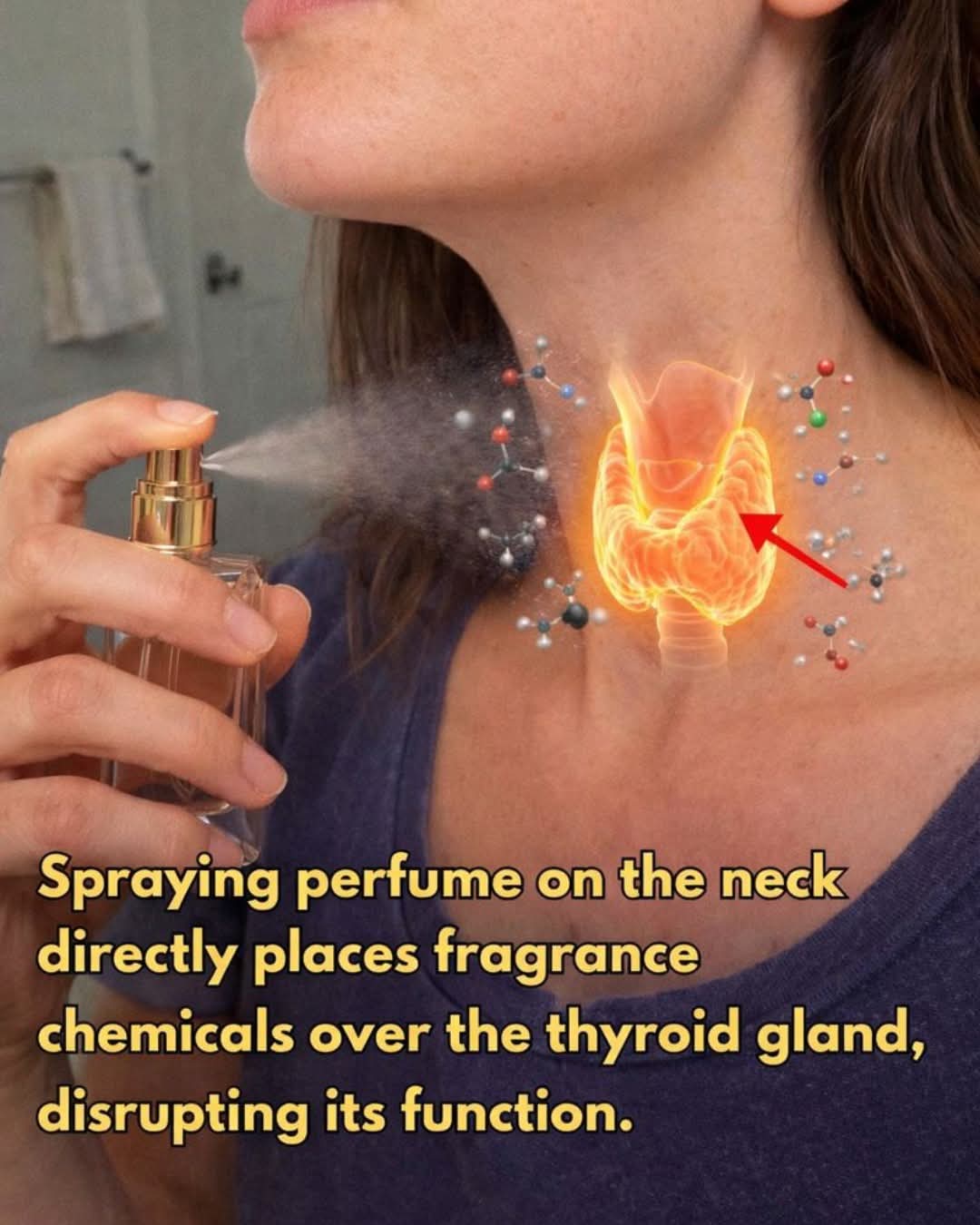
Every morning, many of us indulge in the ritual of spritzing our favorite perfume, enjoying the confidence that comes with a lingering scent. However, recent research suggests that this seemingly harmless habit may have hidden consequences for our hormonal health. With synthetic chemicals like phthalates and musks commonly found in fragrances, it’s essential to understand how these compounds can affect our bodies, particularly in sensitive areas like the neck. Fortunately, small adjustments in our application methods can help mitigate potential risks while still allowing us to enjoy our signature scents.
The Hidden Dangers: What Are Endocrine-Disrupting Chemicals?
Endocrine-disrupting chemicals (EDCs) are substances that can interfere with the body’s natural hormone functions. In the realm of perfumes, two notable offenders are phthalates and synthetic musks.
Phthalates are used to enhance the longevity of fragrances, while synthetic musks provide a deep, lasting scent that many find appealing. Research from organizations like the Environmental Working Group has identified these compounds as potential EDCs that may disrupt hormone pathways, particularly those involving the thyroid gland. Given that the thyroid plays a crucial role in regulating metabolism and energy levels, understanding the implications of these chemicals is vital for our overall health.
Why the Neck Area Requires Special Attention
When applying perfume, many people instinctively target pulse points, including the neck, due to its warmth, which helps diffuse the scent. However, this practice places fragrance molecules directly over a hormone-sensitive organ.
The neck’s thinner skin barrier allows for greater penetration of chemicals compared to thicker skin on other parts of the body. Additionally, the high vascularity of the neck means that substances can enter the bloodstream more quickly. As a result, repeated exposure to EDCs in this area could potentially lead to hormonal imbalances over time. Health experts recommend minimizing direct contact with sensitive areas as a proactive measure for maintaining overall wellness.
