
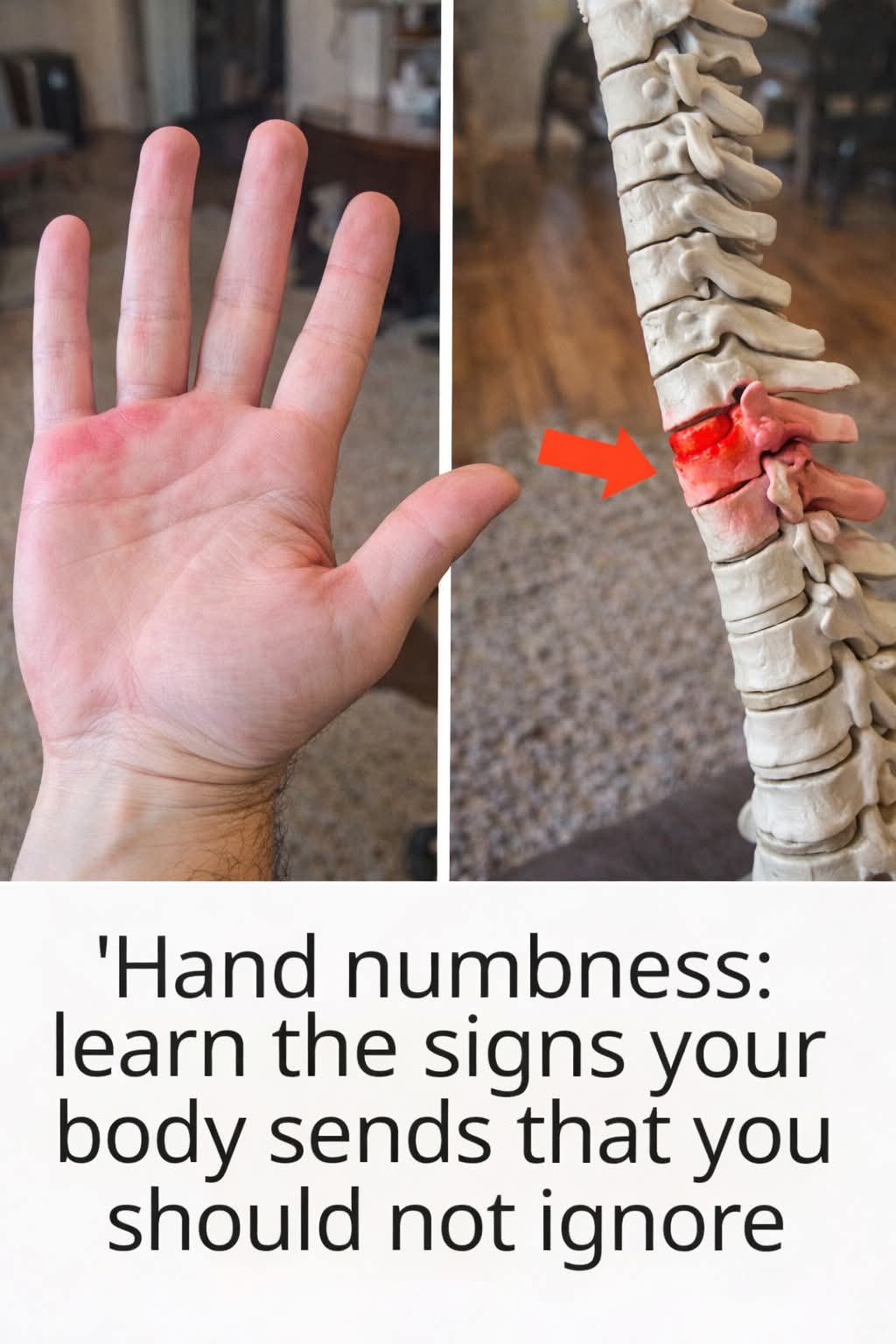
Have you ever experienced sudden numbness, tingling, or weakness in your hands? While many might dismiss it as a result of poor sleeping positions or excessive phone use, frequent hand numbness can be a critical signal from your body indicating underlying health issues. Ignoring these signs could lead to serious consequences, making it essential to understand the potential causes and when to seek medical advice. This article delves into the various reasons behind hand numbness and offers practical steps to address the issue.
Carpal Tunnel Syndrome – The #1 Workplace Nerve Enemy
Carpal tunnel syndrome occurs when the median nerve, which runs through your wrist, becomes compressed over time. This condition is particularly common among individuals who:
- Spend long hours working on computers or laptops
- Use a mouse intensively
- Perform repetitive gripping movements (such as hairdressers, chefs, and factory workers)
Early signs typically include:
- Numbness and tingling primarily in the thumb, index, and middle fingers
- Weakness in the hands, especially noticeable in the morning
- An increase in the frequency of dropping objects
It’s important to note that if you only experience numbness in your pinky and ring fingers, it is likely not carpal tunnel syndrome.
Peripheral Neuropathy – When the Small Nerves Get Sick
Peripheral neuropathy refers to damage to the nerves located far from the brain and spinal cord, affecting areas like the hands and feet. The most common cause is diabetes, but other factors include:
- Long-term heavy alcohol use
- Chemotherapy
- Certain infections
- Severe vitamin deficiencies
Individuals with peripheral neuropathy often describe their sensations as:
- Burning, stinging, or electric-shock-like pain
- Heightened sensitivity to touch (even the weight of a bedsheet can be painful)
- Concurrent numbness and pins-and-needles sensations
Neck & Cervical Spine Problems – The Pain That Travels Down
Surprisingly, many people discover that the source of their hand numbness originates in their neck. Common conditions that can lead to this issue include:
- Herniated or bulging discs in the neck
- Cervical spondylosis (wear and tear of the cervical spine)
- Spinal stenosis
Typical symptoms that suggest a neck-related problem include:
- Numbness or tingling in one or both hands
- Stiffness or pain in the neck when turning the head
- Pain in the shoulders or between the shoulder blades
