
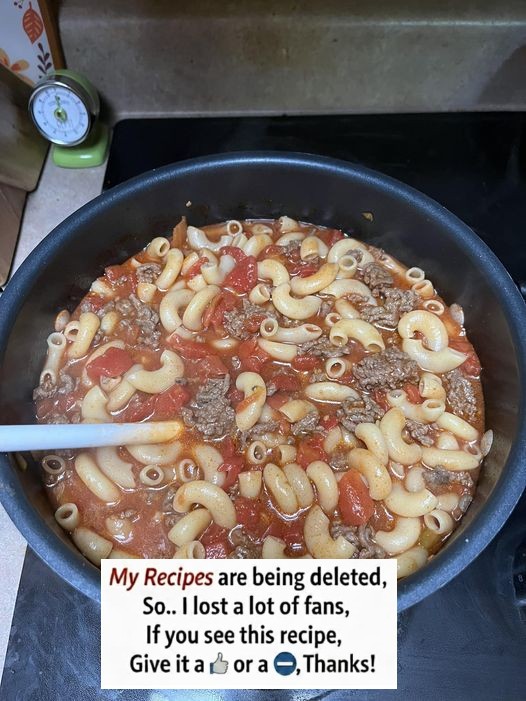
Begin by preparing all ingredients before cooking.
Cut the beef into evenly sized cubes to ensure consistent cooking.
Chop the onions finely, mince the garlic, and prepare the tomatoes and potatoes.
Having everything ready will make the cooking process smooth and efficient.
Heat a large, heavy-bottomed pot or Dutch oven over medium heat.
Add a small amount of oil and brown the beef in batches.
Avoid overcrowding the pot, as this can cause the meat to steam rather than sear.
Once browned, remove the beef and set it aside.
This step builds flavor that will carry through the entire dish.
In the same pot, add the chopped onions.
Cook them slowly over medium to low heat, stirring frequently, until they become soft and golden.
This process may take 10–15 minutes, but it is essential for developing sweetness and depth.
Add the garlic and cook for an additional 30 seconds, just until fragrant.
Remove the pot from direct heat briefly and stir in the paprika and caraway seeds.
This prevents the paprika from burning, which can cause bitterness.
Return the pot to low heat and add the tomatoes, stirring to combine.
Allow the mixture to simmer for a few minutes so the flavors meld.
Return the browned beef to the pot and pour in enough beef broth to cover the ingredients.
Bring the mixture to a gentle simmer, then reduce the heat to low.
Cover the pot and let the goulash cook slowly for about 60–90 minutes, stirring occasionally.
The beef should become tender and the broth rich and flavorful.
Add the cubed potatoes during the last 30 minutes of cooking.
Continue simmering until the potatoes are soft and fully cooked.
Taste the goulash and adjust seasoning with salt and pepper as needed.
If the stew is too thick, add a bit more broth; if too thin, let it simmer uncovered for a few minutes.
Serving and Storage:
Goulash is best served hot, straight from the pot.
It can be enjoyed on its own or paired with crusty bread, dumplings, or noodles to soak up the rich sauce.
A dollop of sour cream adds creaminess and balances the paprika, while fresh parsley brightens the dish visually and flavor-wise.
For storage, allow the goulash to cool completely before transferring it to an airtight container.
It can be refrigerated for up to four days.
Like many stews, goulash often tastes even better the next day as the flavors continue to develop.
Goulash also freezes well.
Store it in freezer-safe containers for up to three months.
Thaw overnight in the refrigerator and reheat gently on the stovetop, adding a splash of broth if needed to restore consistency.
Tips:
Use high-quality paprika for the best flavor.
Fresh, vibrant paprika makes a noticeable difference in the final dish.
Avoid cooking paprika over high heat, as it can burn quickly.
Patience is key when cooking goulash; slow simmering yields the most tender meat and balanced flavor.
If you prefer a thicker goulash, allow it to simmer uncovered near the end of cooking.
For a thinner, soup-like consistency, simply add more broth.
You can also customize the dish by adding bell peppers or adjusting the ratio of sweet to smoked paprika.
Conclusion:
Tasty goulash is more than just a meal; it is a reflection of tradition, simplicity, and comfort.
With its rich broth, tender beef, and warming spices, it embodies the kind of cooking that brings people together around the table.
This recipe highlights how basic ingredients, treated with care and patience, can produce remarkable results.
Whether prepared for a family dinner, a gathering with friends, or as a make-ahead meal for the week, goulash is reliable and deeply satisfying.
By following this guide, you can create a dish that honors its roots while fitting seamlessly into modern home cooking.
It is a timeless recipe that continues to earn its place in kitchens around the world.
FAQ:
What cut of beef works best for goulash?
Chuck roast or stewing beef is ideal because it becomes tender when cooked slowly and adds rich flavor to the broth.
Can I make goulash without potatoes?
Yes, potatoes can be omitted or replaced with another starch such as noodles or dumplings, depending on preference.
Is goulash spicy?
Traditional goulash is flavorful rather than spicy.
Heat can be added with hot paprika or chili if desired.
Can I cook goulash in a slow cooker?
Yes, after browning the beef and onions, all ingredients can be transferred to a slow cooker and cooked on low for 6–8 hours.
Why does my goulash taste bitter?
Bitterness is often caused by burning the paprika.
Always add paprika off direct heat and cook gently to preserve its flavor.
