
- Severe pain that worsens after 24 hours
- Signs of infection, such as increasing redness, warmth, pus, or red streaks
- Allergic reactions, including hives, difficulty breathing, dizziness, or facial swelling (seek emergency care immediately)
- Fever or flu-like symptoms, which are rare but possible with a secondary infection
Important Distinction: Assassin Bugs vs. Kissing Bugs
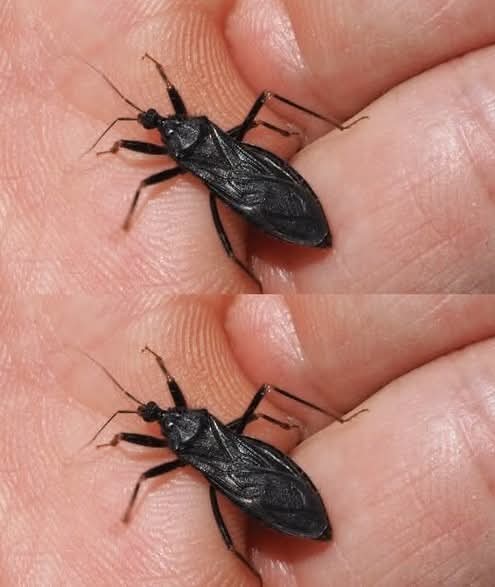
It’s crucial to differentiate assassin bugs from kissing bugs, which are a type of assassin bug. Kissing bugs (Triatoma spp.) can transmit Chagas disease through their feces near the bite site. They typically bite around the mouth or eyes at night, are mostly found in southern U.S., Mexico, and Central/South America, and their bites are painless. If you were bitten during the day while gardening or handling plants, it is likely a non-kissing assassin bug, making Chagas disease extremely unlikely.
Prevention Tips
To avoid bites in the future, consider the following preventive measures:
- Wear gloves when gardening or handling leaf litter.
- Avoid handling unknown insects.
- Shake out clothing and shoes left outdoors.
In conclusion, while an assassin bug bite can be unpleasant, it is rarely serious. Treat it like a bee sting: clean the area, apply a cold compress, and monitor your symptoms. Most individuals recover fully within a few days without complications. Remember, nature’s helpers may defend themselves, but with proper care, you can coexist peacefully with these beneficial insects.
