
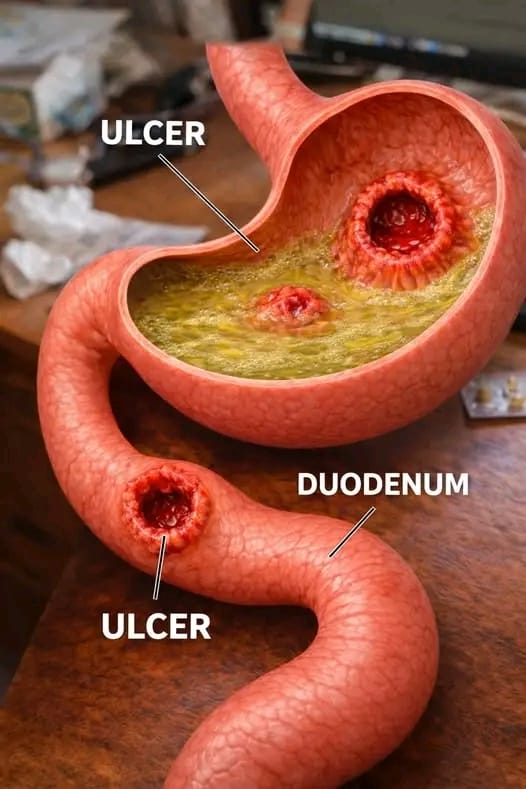
Why These Foods Matter for Comfort
The key isn’t to eliminate these foods forever; it’s about giving your stomach lining a chance to recover without extra aggravation. When symptoms flare, it creates a cycle of discomfort that affects eating habits and nutrition. By identifying and reducing triggers, many individuals notice steadier days and fewer interruptions.
Actionable Steps You Can Start Today
Managing your diet alongside medical care doesn’t have to be overwhelming. Here are some practical tips to consider:
- Keep a food journal: Note what you eat and any symptoms for a week. Patterns often emerge quickly.
- Eat smaller, more frequent meals: Large meals can stretch the stomach and increase pressure.
- Choose soothing options: Focus on bland, easy-to-digest foods like oatmeal, bananas, lean proteins, and steamed vegetables.
- Stay hydrated: Sip water throughout the day; avoid gulping large amounts at once.
- Time your meals wisely: Avoid eating late at night, and don’t lie down right after meals.
These small changes can support your body’s natural healing process without overcomplicating things.
Foods That May Support Comfort (Bonus Insights)
While focusing on what to limit, incorporating gentle foods can help balance your diet. Consider adding:
- High-fiber options like oats or barley (if tolerated)
- Probiotic-rich yogurt (plain, low-fat)
- Lean proteins such as chicken or fish
- Non-acidic fruits like bananas or melons
Research highlights that a balanced approach, combined with prescribed treatments, often leads to better outcomes.
Wrapping It Up: Small Changes, Big Difference
Being mindful of the foods that may irritate your stomach can significantly impact your daily comfort. By reducing common triggers such as spicy items, acidic foods, caffeine, alcohol, and fried options, you provide your digestive system with the support it needs during recovery. Remember, everyone’s triggers differ—listen to your body and adjust accordingly. Always consult with your healthcare provider for personalized guidance, as diet is just one aspect of effectively managing peptic ulcers.
