
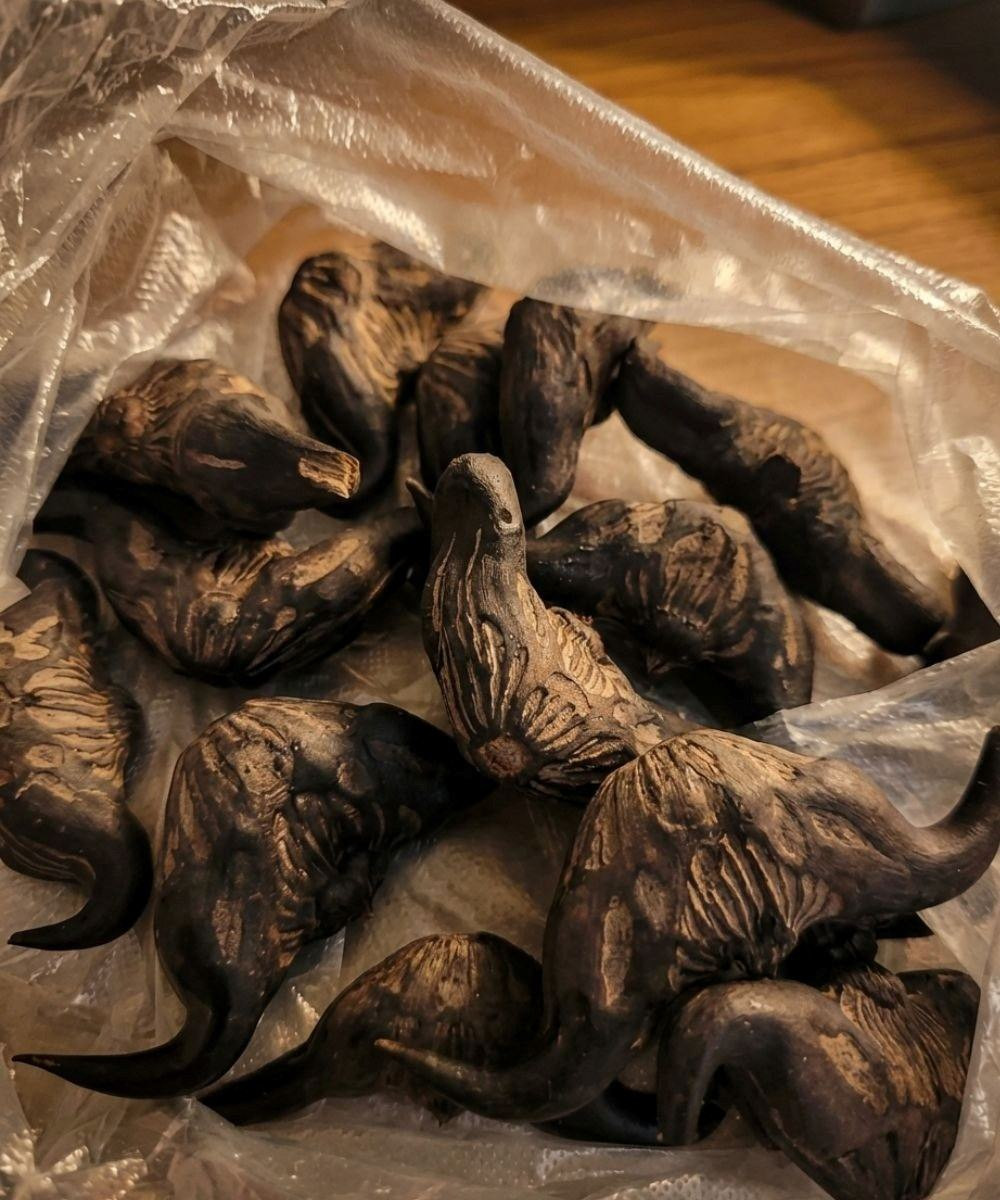
2. Uncertainty About the Species
A significant number of poisoning incidents occur due to misidentification of wild roots. Many edible and toxic varieties can look almost identical, and even a slight difference in shape or color can mean the difference between food and poison. If you cannot identify the plant with absolute certainty, it’s best to avoid consuming it. Traditional knowledge often encompasses details about the exact harvest season and preparation methods, which are crucial for safe consumption.
3. Complex Preparation Requirements
If a wild root requires extensive preparation—such as soaking for days, boiling multiple times, or mixing with substances like ash or lime to “remove toxins”—this is a major red flag. While some roots can be detoxified through careful preparation, even a minor error can leave behind harmful toxins. Cases of poisoning often arise from “almost correct” preparation methods, leading to symptoms like vomiting, diarrhea, nerve damage, or stress on the liver and kidneys.
4. Unpleasant Taste Sensations
Your body has built-in warning systems that should not be ignored. If a wild root tastes extremely bitter or causes tingling or numbness on your tongue, do not continue eating it, regardless of reassurances that the taste is “normal.” Such sensations often indicate the presence of alkaloids, glycosides, or neurotoxic compounds—natural defense chemicals that can be harmful. Cooking or masking the taste does not guarantee safety.
