
The Role of Public Hygiene and Tourism
The rise of WC signs is closely tied to public hygiene awareness and tourism.
In the 19th and early 20th centuries, urbanization and growing populations made sanitation a critical public health issue. Water closets and their signs helped communicate where safe facilities were located.
Travelers unfamiliar with local languages needed easily recognizable restroom signage. WC became a visual shorthand understood across borders, helping tourists navigate cities, train stations, and airports.
In this way, WC is not just a term; it’s a symbol of modernity, sanitation, and global accessibility.
WC in Modern Times
Today, WC remains a fixture on signage, particularly in Europe and parts of Asia. Its meaning has shifted slightly from the original “water closet” definition. Modern facilities labeled WC may include toilets, urinals, and sometimes showers — not always literal water closets.
Interestingly, despite decades of alternative terminology, WC persists because of habit and recognition. Travelers, signage designers, and public institutions continue to use WC because it works.
Moreover, WC has entered digital spaces: maps, travel guides, apps, and booking sites often use WC to denote restroom locations. This further cements its global status.
Fun Facts About WC
– Pronunciation varies: In English, it’s usually said “double-you see.” In German, it’s “veh-tse.” In other countries, the letters are spoken individually or adapted to local sounds.
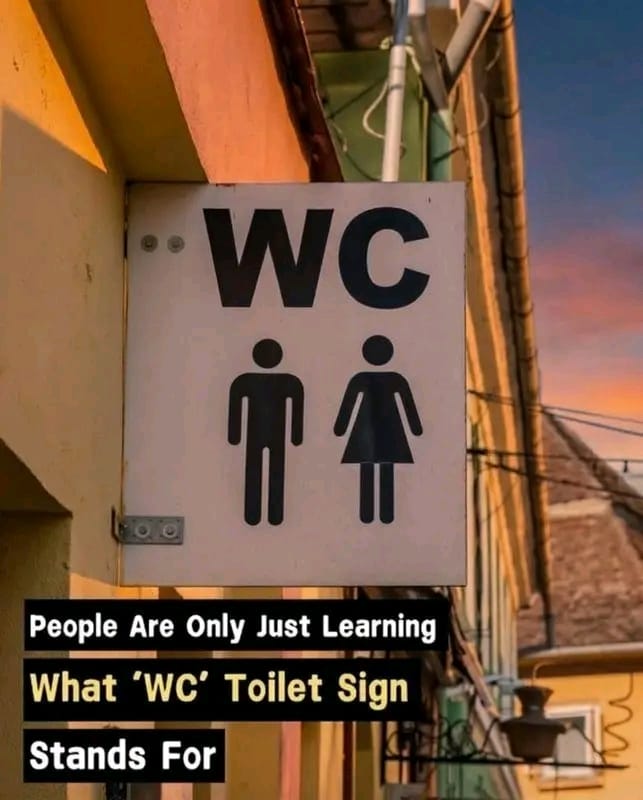
– Symbol pairing: WC is often paired with male/female pictograms to clarify gender-specific facilities.
– Historical charm: In Victorian England, private water closets were a mark of luxury; public WC facilities represented progress in public health.
– Language quirks: Some languages, like Spanish, use WC alongside “aseo” or “baño,” reflecting both international and local vocabulary.
Why the Term Still Matters
In an era of digital navigation, global travel, and multicultural urban spaces, having a universally recognizable restroom term is valuable. WC serves that purpose better than many localized alternatives.
Even as English words like “bathroom” or “restroom” spread internationally, WC has the advantage of brevity, neutrality, and historical familiarity. Its continued presence in airports, train stations, and public spaces reflects both convenience and cultural continuity.
Conclusion
The story of WC transcends mere letters on a sign; it embodies a journey through sanitation innovation, linguistic evolution, and global travel. From the early water closets of Victorian England to modern airport signage across Europe and Asia, WC has become a symbol of accessibility, hygiene, and universality.
Understanding WC reminds us that even small details — like restroom signage — carry historical significance and practical impact. Next time you see a WC sign, take a moment to appreciate the rich history behind it, a testament to human ingenuity and the enduring power of two small letters.
