
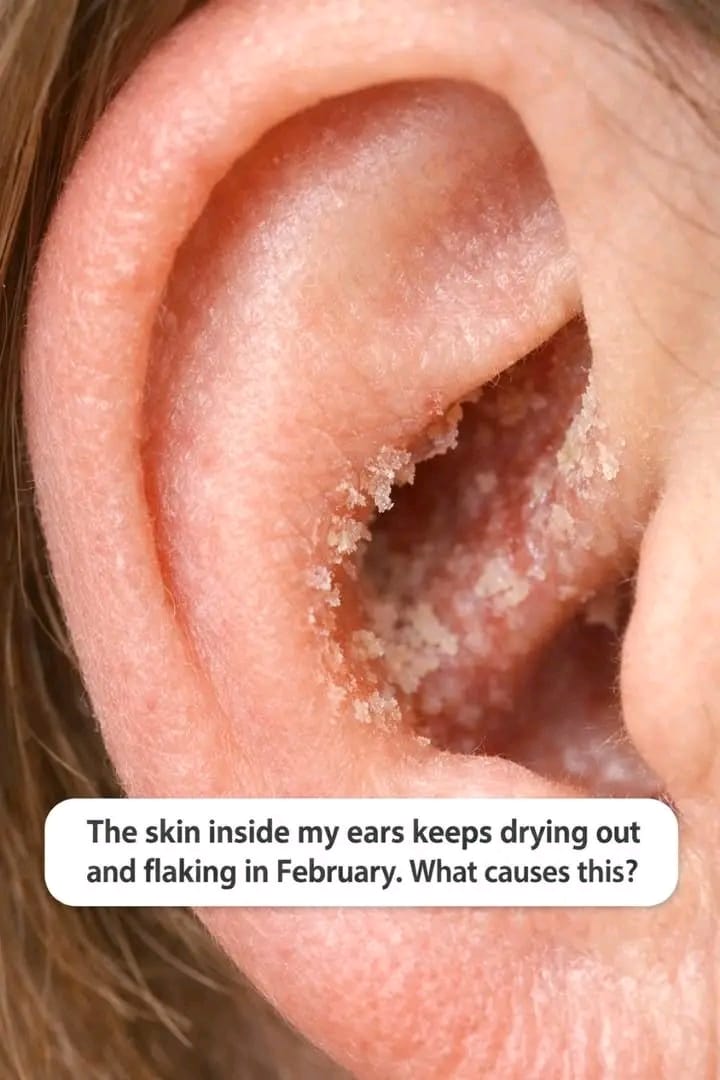
Medications and Medical Conditions That Dry Out Skin
Certain medications, including diuretics and acne treatments, can cause dryness as a side effect. Additionally, medical conditions like hypothyroidism and diabetes can affect skin moisture levels. Discuss any concerns with your healthcare provider to determine if your medication or condition is contributing to ear dryness and explore possible adjustments.
Simple At-Home Fixes to Calm Flaking and Itch
To soothe dry, flaky ear skin, consider applying a gentle, non-greasy moisturizer or oil, such as coconut or olive oil, to the outer ear. Avoid getting these products deep inside the ear canal. Maintain a regular skincare routine that includes gentle cleansing and moisturizing. Incorporating a humidifier into your home environment can also help maintain adequate skin hydration.
When to See a Doctor About Dry, Peeling Ear Canals
If dryness and peeling persist despite at-home remedies, or if you experience additional symptoms like pain, hearing loss, or discharge, it’s time to consult a healthcare professional. These could be signs of a more serious condition that requires medical intervention. Your doctor can conduct a thorough examination and recommend appropriate treatments, which may include prescription medications or therapies tailored to your specific needs.
In conclusion, addressing dry skin inside your ears during winter is crucial for maintaining comfort and health. By understanding the causes and implementing effective solutions, you can protect your ears from the harsh effects of the season. If issues persist, don’t hesitate to seek professional advice to ensure your ear health remains a priority.
