
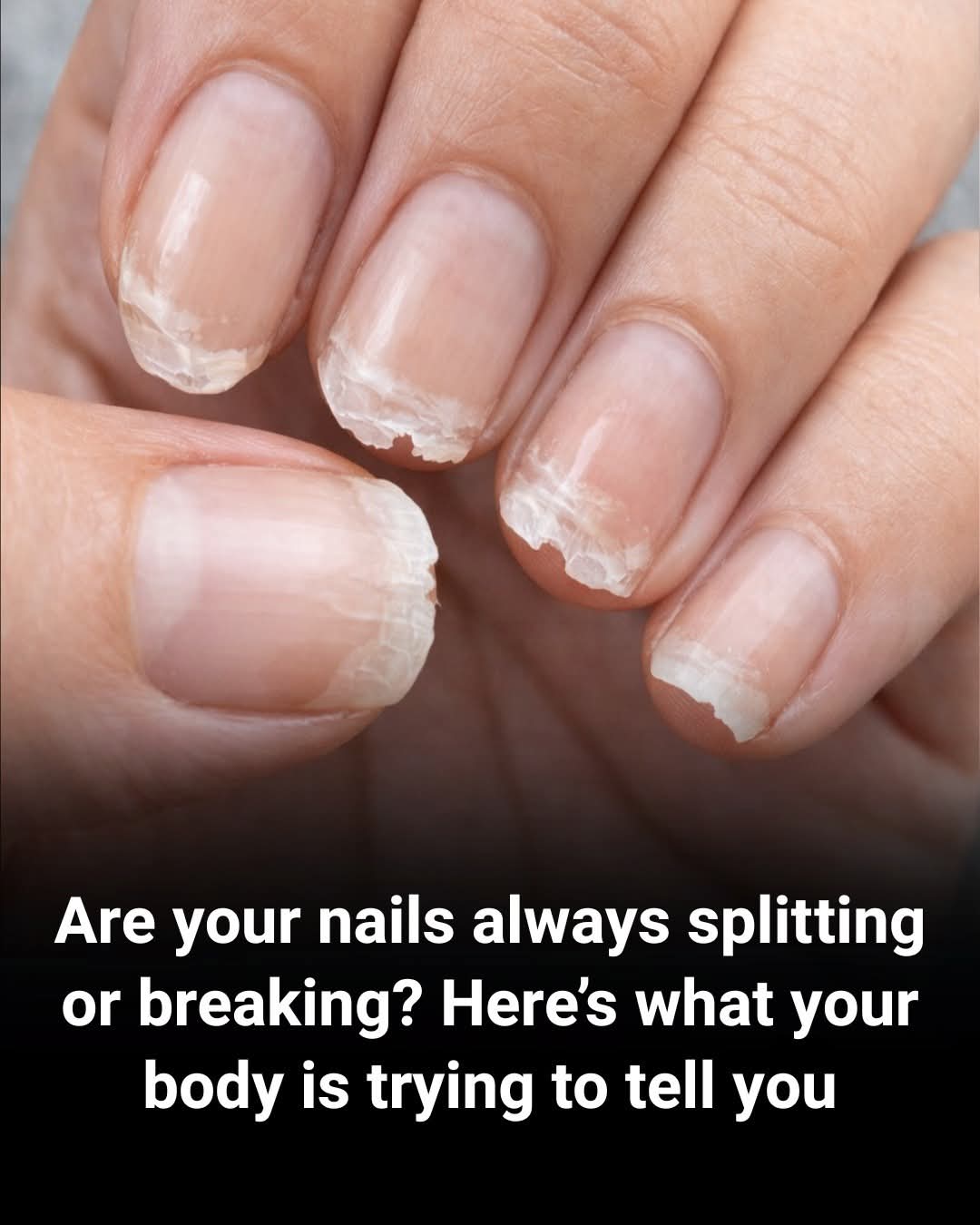
Chemical Exposure
Frequent contact with harsh chemicals—such as cleaning products, detergents, and nail polish removers—can strip nails of their natural oils, leaving them dry and fragile. To protect your nails, consider the following tips:
- Wear gloves when cleaning or washing dishes
- Choose acetone-free nail polish removers
- Limit frequent gel or acrylic manicures
Reducing chemical exposure helps nails retain moisture and strength.
Everyday Habits That May Damage Nails
Certain daily habits can silently weaken your nails. These include:
- Excessive hand washing without moisturizing
- Nail biting or picking
- Using nails as tools to open or scrape objects
Applying hand cream or cuticle oil regularly can help restore moisture and improve nail resilience.
When to Seek Professional Advice
While many nail problems are linked to diet or lifestyle, persistent or sudden changes—such as deep ridges, discoloration, or severe thinning—may require medical evaluation. A healthcare provider can identify possible deficiencies or underlying conditions and recommend appropriate treatment.
In conclusion, your nails are more than just a cosmetic detail; they serve as a reflection of your internal health. Weak or brittle nails often indicate that your body requires better nutrition, hydration, or protection from environmental stressors. By recognizing these signals and making informed lifestyle changes, you can support stronger nails and promote better overall health. Start listening to what your body is telling you today, and take the first steps toward healthier nails.
