
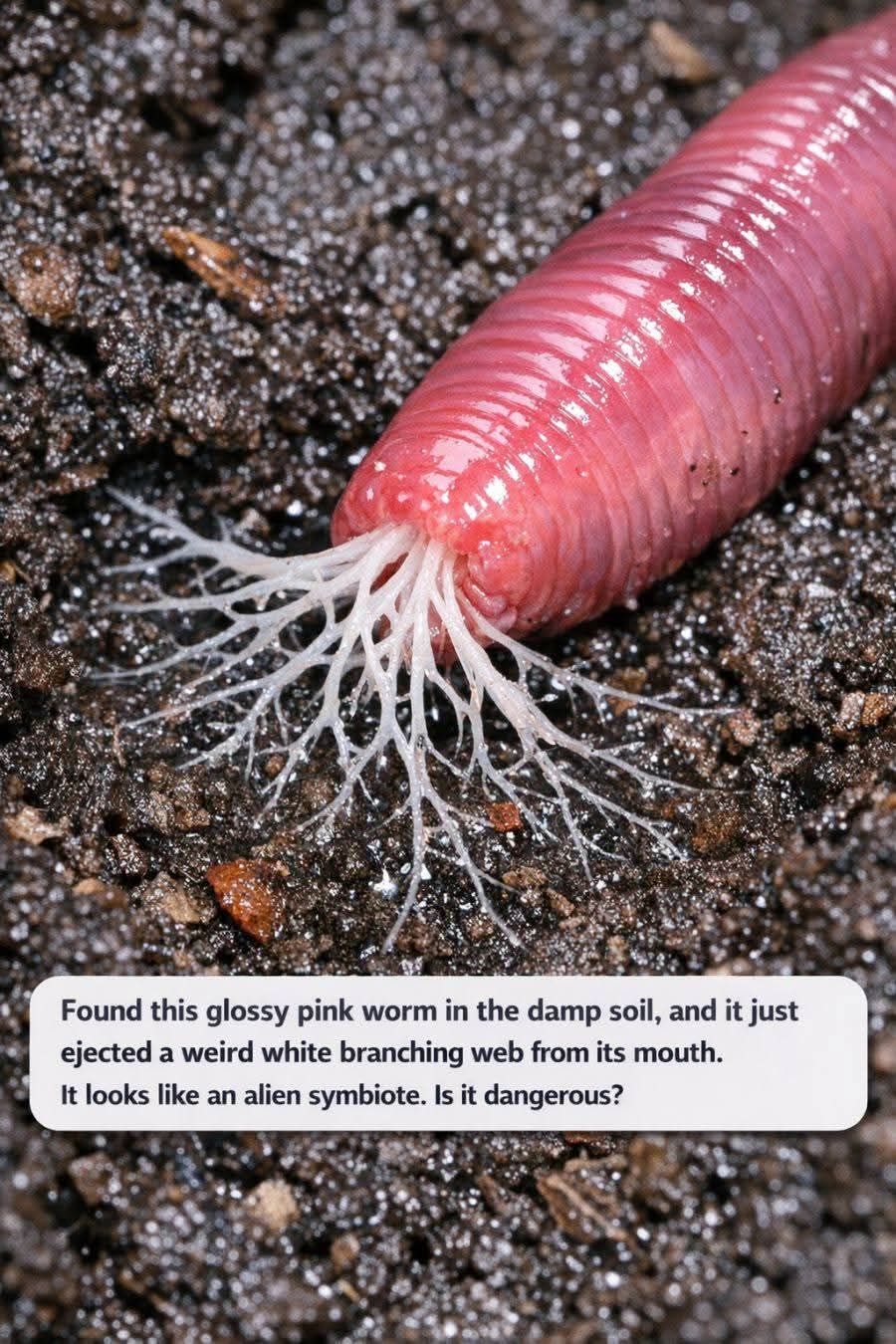
What The Web Is Actually Hunting (And How It Catches Prey)
Ribbon worms primarily hunt small invertebrates, such as crustaceans, mollusks, and other worms. They are ambush predators that rely on their proboscis to capture prey quickly. When a suitable target comes within range, the worm rapidly everts its proboscis, which can extend several times the length of its body. The proboscis is often sticky or armed with toxins, allowing it to adhere to or immobilize the prey. Once captured, the prey is drawn back towards the worm’s mouth, where it is consumed. This efficient hunting mechanism allows ribbon worms to thrive in various environments, from shallow tidal pools to deep ocean trenches.
How To Tell A Ribbon Worm From Earthworms And Other Look-Alikes
Ribbon worms can be distinguished from earthworms and other similar creatures by their appearance and behavior. They tend to be flatter and more vibrantly colored than earthworms, which are typically brown or reddish. The glossiness of a ribbon worm’s body is another distinguishing feature, as earthworms are generally less shiny. Behaviorally, the rapid eversion of the proboscis is a key characteristic of ribbon worms. Earthworms, on the other hand, do not have a proboscis and move by peristaltic contractions of their body segments. Observing these traits can help you accurately identify the worm you have found.
Where These Worms Live And Why They Show Up In Your Yard
Ribbon worms inhabit a wide range of environments, from marine to freshwater and even terrestrial habitats. They are most commonly found in moist, sheltered areas where they can stay hydrated, such as under rocks, in damp soil, and among decaying vegetation. If you have encountered a ribbon worm in your yard, it is likely due to the presence of suitable conditions such as moisture and abundant prey. Heavy rainfall or overwatering can also lead to increased sightings as the worms move to the surface to avoid waterlogged soil.
What To Do If You Find One (And What Not To Do)
If you find a ribbon worm in your yard, the best course of action is to simply observe it without disturbing it. These worms play a role in the ecosystem by controlling populations of smaller invertebrates and contributing to soil aeration and nutrient cycling. Avoid picking up or attempting to relocate the worm unless absolutely necessary, as this can cause stress or injury to the creature. If you are concerned about its presence, you can gently guide it back to a more suitable habitat, such as a shaded, moist area of your garden.
