
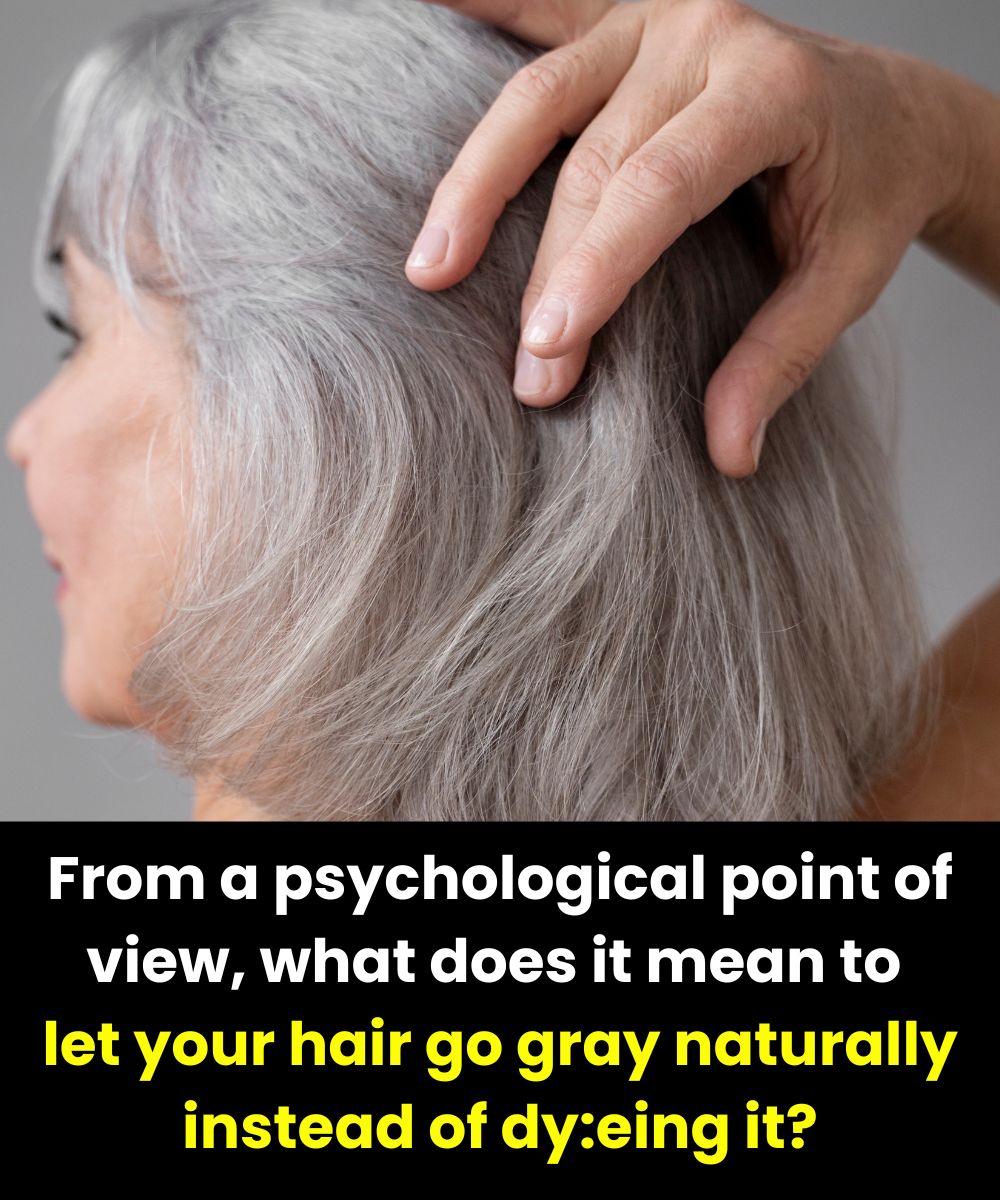
Independence from External Validation
Many individuals subconsciously rely on external validation to feel secure in their identities. Appearance often serves as a signal of belonging and effort. When someone opts for gray hair, they may be perceived as stepping away from this need for approval, which can be unsettling for those who still seek reassurance through their appearance. This discomfort is a form of projection, where the observer grapples with their own insecurities about needing approval and the implications of self-acceptance.
The Boldness of Gray Hair
In various cultures, aging is often viewed as something to be softened or concealed. Gray hair defies this expectation; it is visible, honest, and unapologetic. People may expect those with gray hair to justify their choice, fearing that their silence might challenge societal norms. This expectation can feel confrontational, not because the individual with gray hair is aggressive, but because they refuse to apologize for their aging.
A New Relationship with Time
Choosing to let hair go gray often signifies a psychological transition from resisting aging to embracing it. This shift can be unsettling for those who are still fighting against the passage of time. It introduces a narrative where worth is not tied to youth, allowing individuals to be seen as whole rather than frozen in a socially rewarded version of themselves. For those unprepared to adopt this perspective, the presence of someone who has can feel destabilizing.
