
Understanding Immune Health: The Scar’s True Significance
Another common fear is that the scar signals long-term harm to the immune system or ongoing vulnerability to illness.
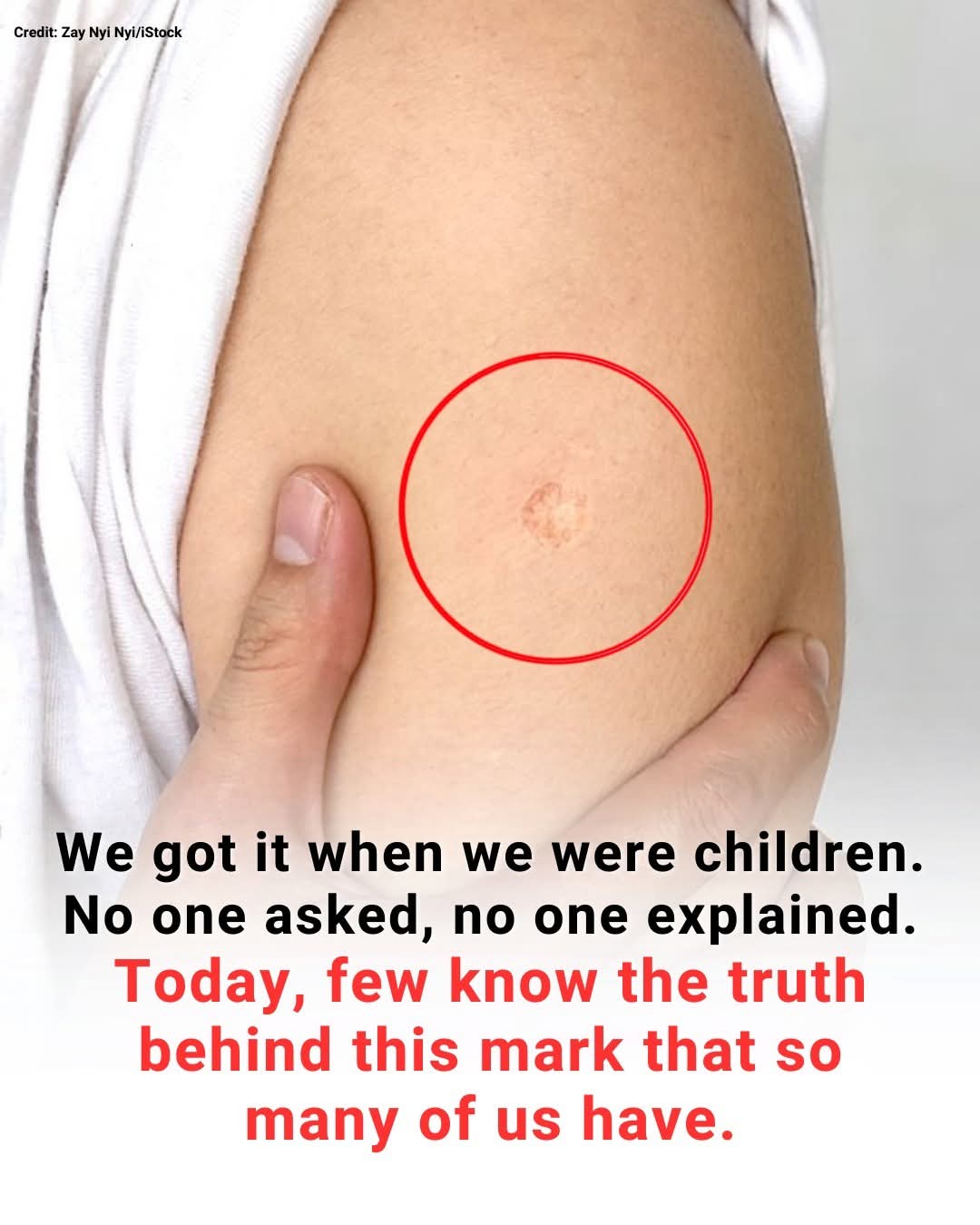
The truth: The BCG scar is not a sign of immune weakness. In fact, it represents a normal immune reaction. The body recognizes the weakened bacteria in the vaccine and mounts a localized response, which can leave a small mark. In many cases, the vaccine has been linked to positive immune “training,” especially in early life. The scar itself has no negative effect on health.
The Harmless Nature of the BCG Scar
Some people feel self-conscious about the scar and worry it might be unsafe, abnormal, or something that needs medical treatment.
The truth: The BCG scar is harmless. It does not grow, spread, or turn into a medical problem. There is no medical reason to remove it unless someone chooses to do so for cosmetic reasons. Doctors consider it a normal, benign mark—nothing more than a quiet reminder of early protection.
Embracing the Story Behind the Scar
For many people, the round scar on the arm is a symbol of a time when medical decisions were made quietly, without explanation. Parents trusted public health systems. Children were protected—but rarely informed.
Understanding the truth behind this scar helps remove fear, shame, and misinformation. It is not a flaw, not a disease, and not a mark of hardship. It is simply a trace of preventive medicine.
In conclusion, the small scar on your arm carries a significant story about public health and vaccination. By debunking the myths surrounding it, we can foster a better understanding and appreciation for the role of vaccines in protecting our communities. Embrace the scar as a reminder of the importance of health and the collective efforts to combat diseases like tuberculosis.
