
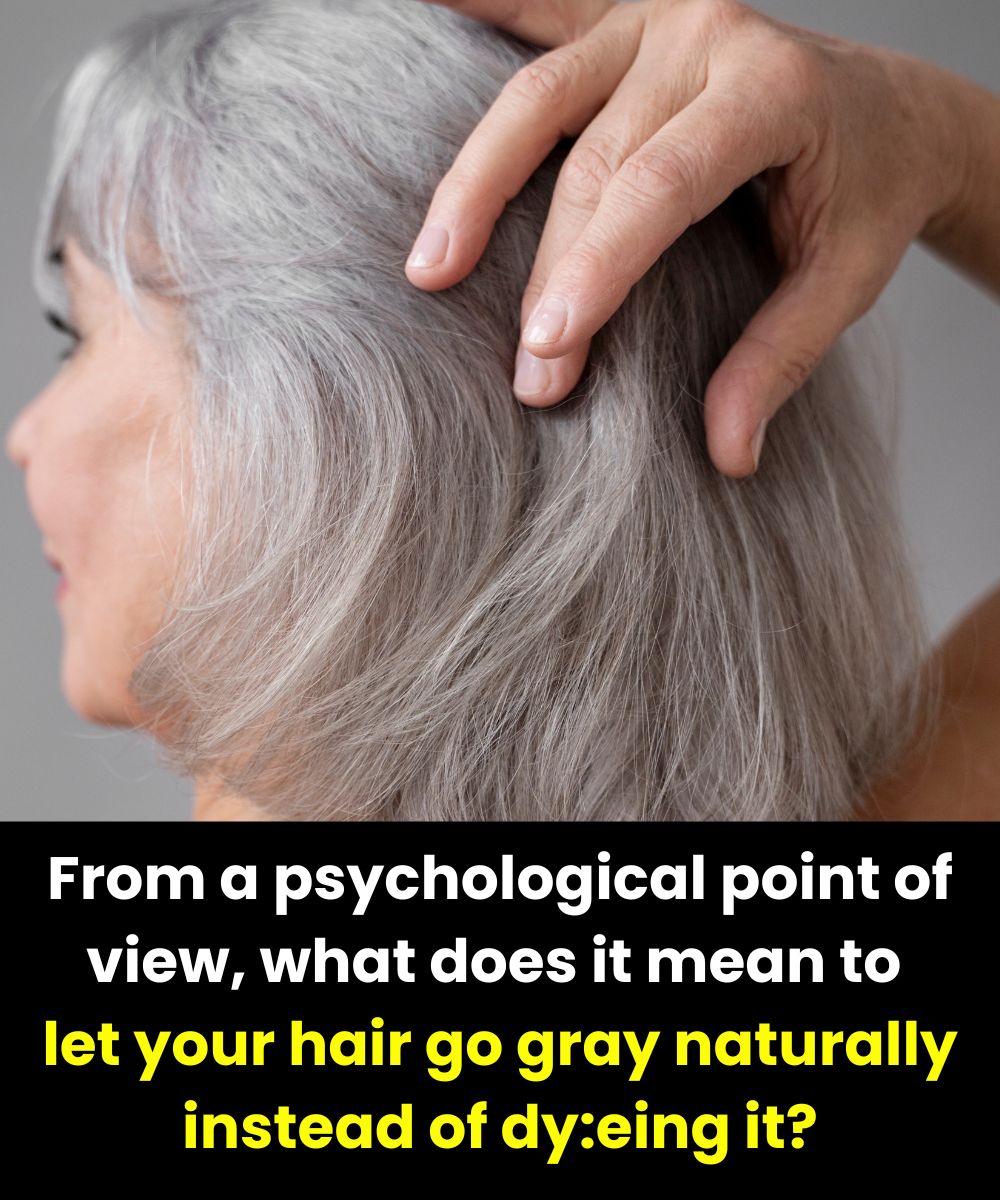
The decision to let one’s hair go gray can seem like a simple personal choice, yet it often elicits unexpected reactions from others. Many individuals, particularly women, report feeling discomfort from those around them when they stop dyeing their hair. This article delves into the psychological and social dynamics that underpin these reactions, revealing how gray hair challenges societal norms and personal insecurities.
The Illusion of Control and Aging
Modern society is heavily invested in the belief that aging can be managed through various means—whether it’s smoothing wrinkles, dyeing hair, or reshaping bodies. These practices create a comforting illusion that time can be negotiated with effort. When someone chooses to let their hair go gray, they subtly reject this illusion, reminding others that aging is an inevitable part of life. This can provoke discomfort, not because gray hair is unattractive, but because it confronts a truth many prefer to ignore.
Gendered Expectations and Gray Hair
The societal judgment of gray hair is not uniform across genders. For men, gray hair is often viewed as a sign of distinction or experience, while women frequently face negative interpretations, such as neglect or decline. This double standard reflects deep-seated societal expectations that women must maintain a youthful appearance longer than men. Consequently, when a woman allows her hair to go gray, it can challenge these expectations, leading to discomfort among those who feel that she is rejecting a role they believe she should fulfill.
