
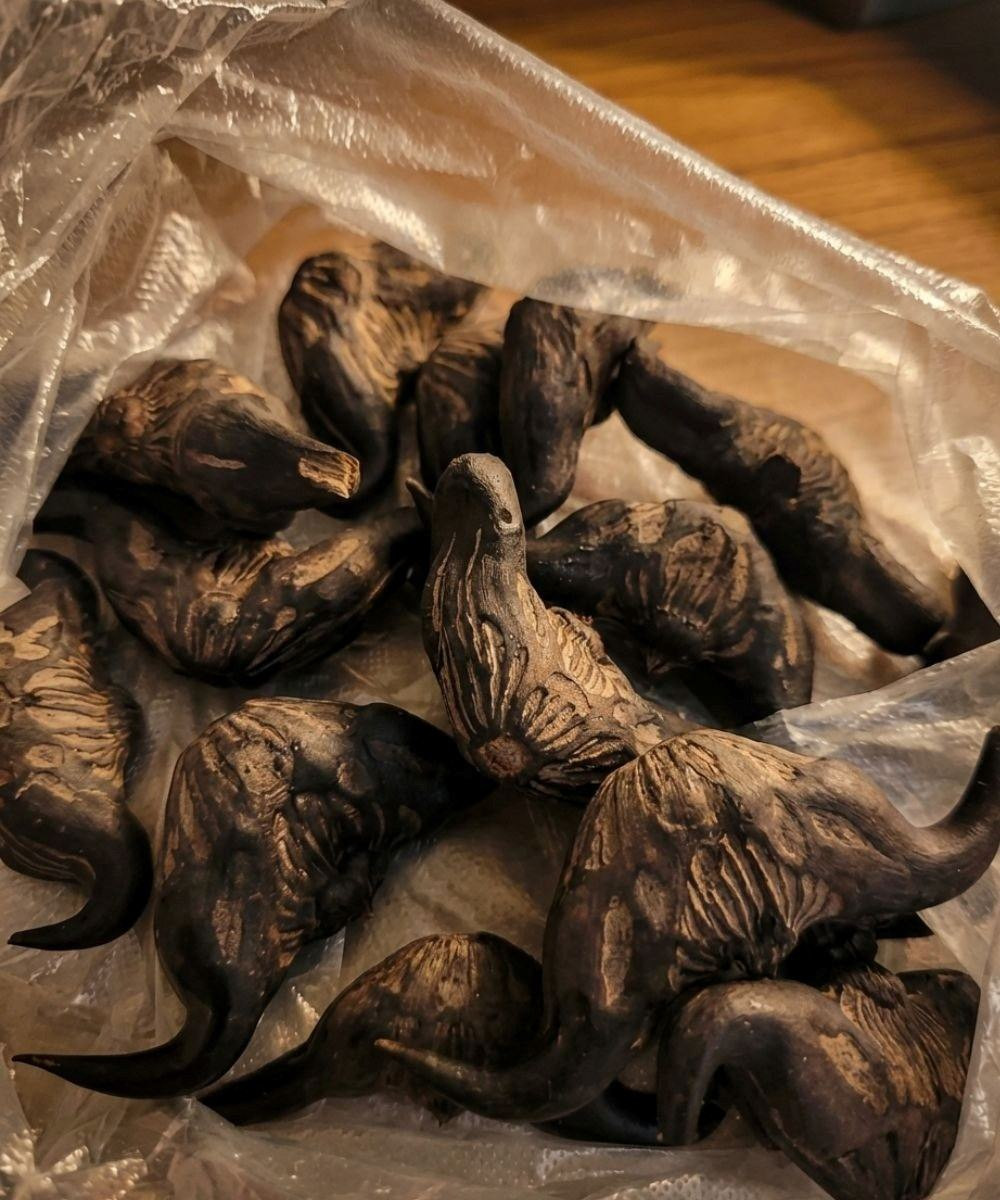
For generations, wild forest roots have served as emergency food sources and traditional remedies, helping people survive during tough times. However, in today’s world, consuming these roots without proper knowledge can be perilous. Many roots that appear harmless can harbor toxic compounds, making it crucial to recognize the warning signs before considering them for consumption.
Understanding the Risks of Wild Forest Roots
Wild roots may resemble familiar foods like yams or ginger, but their potential toxicity can pose serious health risks. It’s essential to be aware of the signs that indicate a wild root should not be eaten. Below are five clear warning signs to help you make informed decisions.
1. Immediate Skin Reactions
One of the first indicators that a wild root may be unsafe is any immediate reaction upon contact. If touching the raw root causes itching, burning, or redness on your skin, stop right away. Many wild roots contain calcium oxalate crystals or natural irritants that can penetrate the skin, leading to severe mouth and throat irritation, swelling, and even difficulty swallowing or breathing. If it irritates your skin, imagine the potential harm it could cause internally.
