
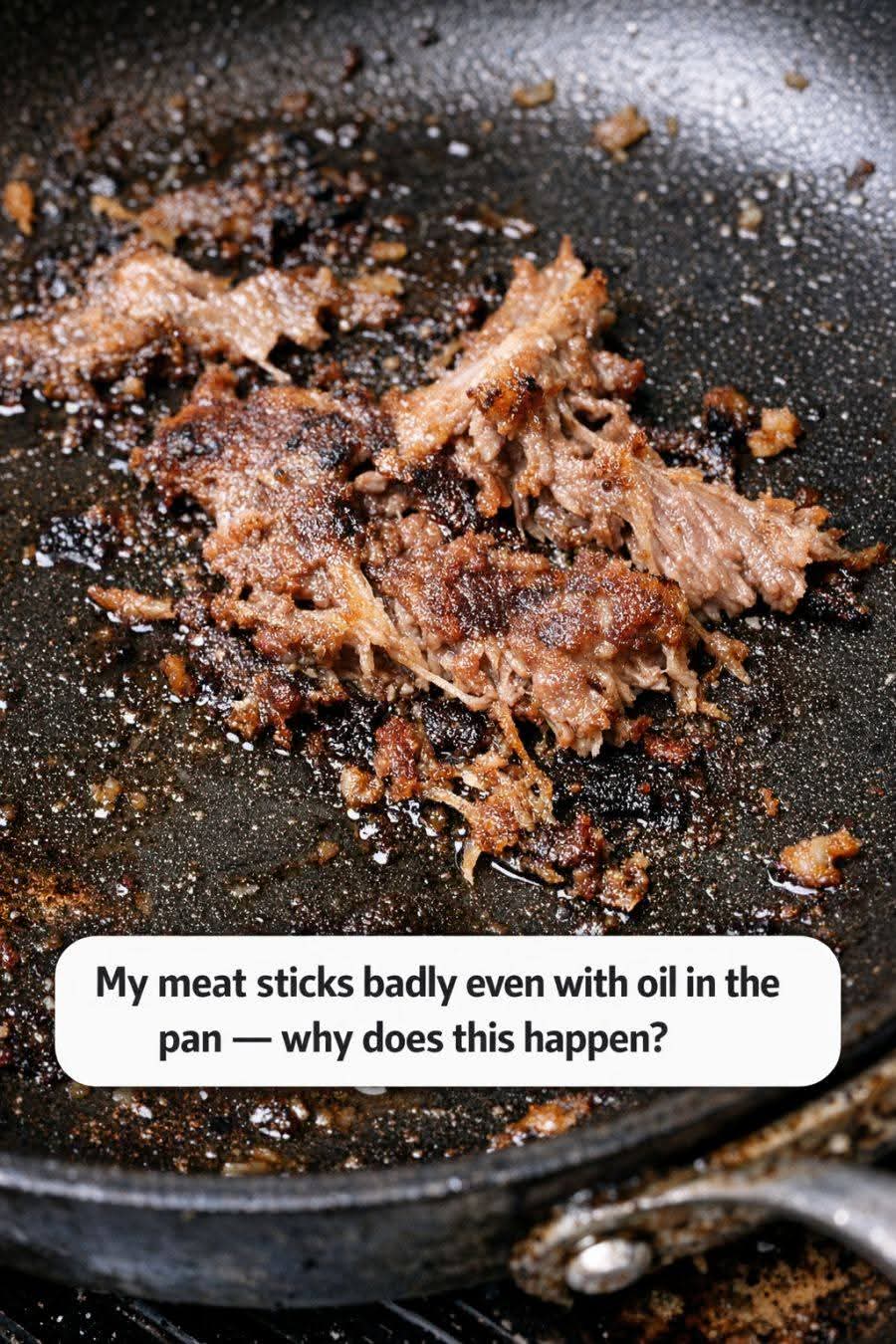
Cooking meat in a pan is a fundamental skill for any home chef, yet many struggle with the frustrating issue of meat sticking, even when oil is used. This common problem can lead to ruined dishes and tedious cleanup. By understanding the science behind why meat sticks to pans, you can elevate your cooking techniques and ensure perfectly seared, flavorful results every time.
The Science of Protein Binding and Sticking
When meat is placed in a pan, proteins on its surface can bind to the pan’s material, particularly if the pan is not preheated properly. This process, known as protein denaturation, occurs when proteins unfold and bond with the metal surface. The likelihood of sticking increases if the meat is cold, as the temperature difference causes rapid contraction of the proteins. To reduce this binding effect, it’s advisable to cook meat that has reached room temperature.
The Impact of Temperature Shock
Introducing cold meat to a hot pan creates a sudden temperature shock, leading to rapid protein contraction and moisture release. This can create a steam-like environment in the pan, causing the proteins to bind quickly to the surface, effectively gluing the meat down. To prevent this, allow meat to rest at room temperature for about 20 to 30 minutes before cooking.
The Importance of a Properly Preheated Pan
An inadequately preheated pan fails to create the essential initial sear that forms a barrier between the meat and the pan. A properly preheated pan should reach at least 375°F (190°C), ensuring that the oil shimmers but does not smoke. This temperature allows the meat to begin cooking immediately upon contact, significantly reducing the chance of sticking.
