
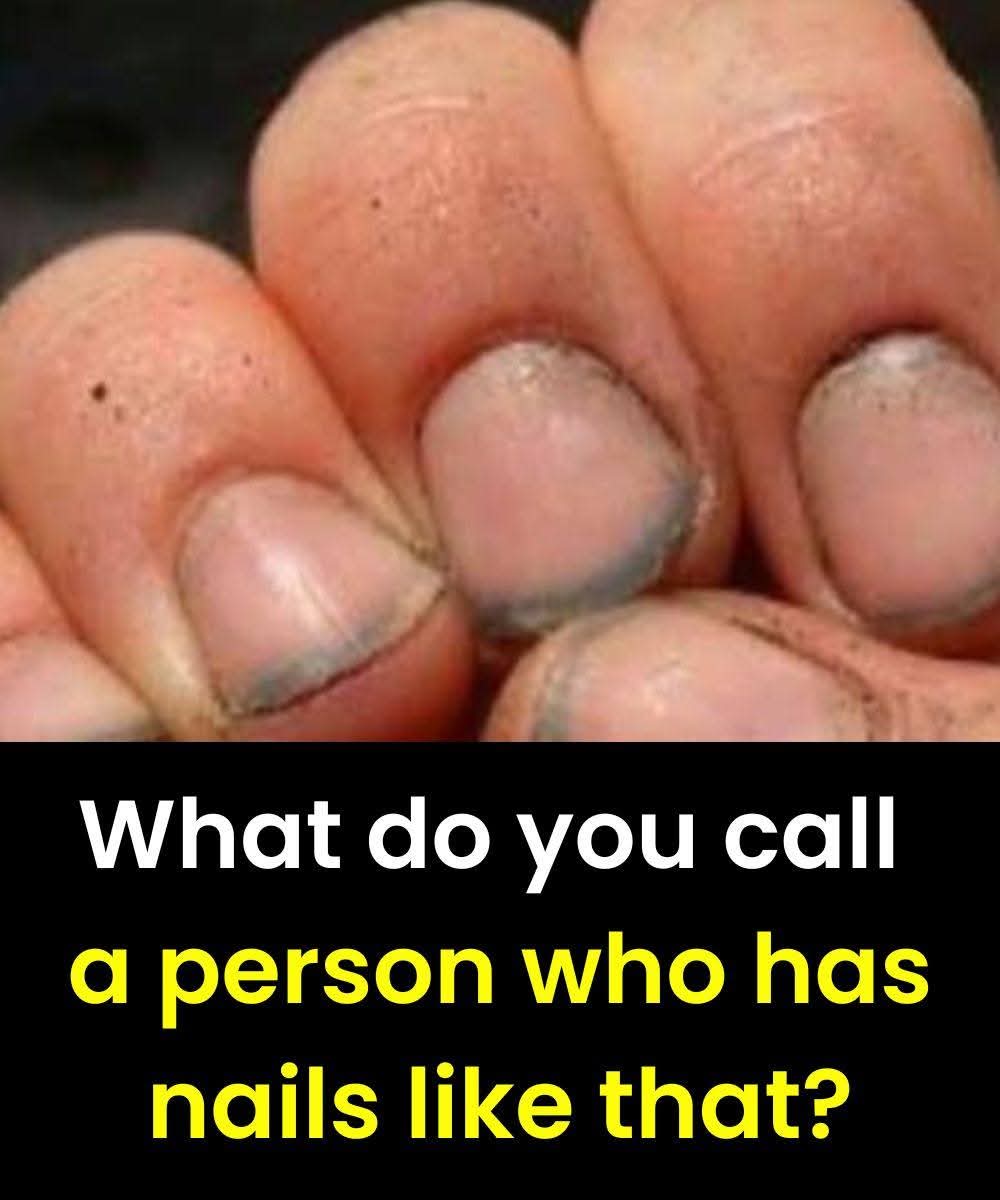
In a world where first impressions matter, dirty nails can evoke immediate judgments about hygiene and personal care. However, the story behind those nails often reveals much more than mere neglect. This article explores the dual narratives that dirty nails can represent, challenging us to reconsider our assumptions about cleanliness and hard work.
The Initial Perception: Hygiene Concerns
At first glance, dirty nails are frequently linked to poor hygiene. From a young age, we learn that clean hands are essential for health. Germs can hide beneath fingernails, and bacteria can spread easily through touch. Proper handwashing and nail trimming are fundamental habits that safeguard both personal and public health. In many instances, consistently dirty nails may indicate neglect, particularly when individuals have access to water, soap, and time but choose not to maintain their hygiene. Cleanliness is vital; it fosters health, confidence, and social respect. However, this perspective only scratches the surface of the issue.
The Other Perspective: Signs of Honest Labor
Now, let’s consider an alternative viewpoint. Those dirty nails might belong to:
- A mechanic who just finished repairing an engine
- A gardener who spent hours turning soil
- A construction worker mixing concrete
- A farmer harvesting crops
- A painter, plumber, electrician, or welder
In various forms of manual labor, dirt is not a flaw; it’s a byproduct of productivity. Some jobs leave stains on the skin, and certain materials cling under nails despite vigorous scrubbing. Often, the dirt we see is simply the mark of someone who has been building, fixing, planting, or creating. In these contexts, dirty nails symbolize effort rather than carelessness.
