
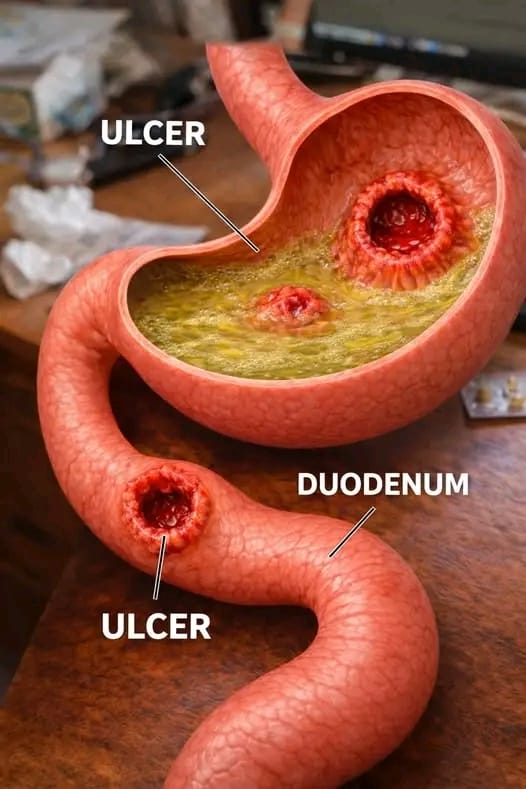
- Citrus fruits (oranges, lemons, grapefruits) and their juices
- Tomatoes and tomato-based products like sauce or salsa
- Vinegar-heavy dressings or pickled foods
Studies suggest that these may bother some more than others, so it’s wise to test small amounts if you’re curious.
3. Caffeinated Beverages
Coffee, tea, and energy drinks stimulate acid production in many people. This category includes:
- Regular and even some decaf coffee
- Black tea or green tea in large amounts
- Caffeinated soda
The evidence is mixed, as not everyone reacts the same way, but reducing caffeine often brings relief.
4. Alcohol
Alcohol can irritate the stomach lining directly and may delay healing. This includes:
- Beer, wine, and spirits – even moderate amounts
- Cocktails or mixed drinks
Health experts recommend limiting or avoiding alcohol entirely while symptoms persist.
5. Fried and High-Fat Foods
Greasy items take longer to digest, potentially leading to bloating and pressure on the ulcer area. Common offenders include:
- French fries, fried chicken, or doughnuts
- Fatty meats like bacon or sausage
- Creamy sauces or full-fat dairy in excess
These foods can feel heavy and uncomfortable for many with ulcers.
