
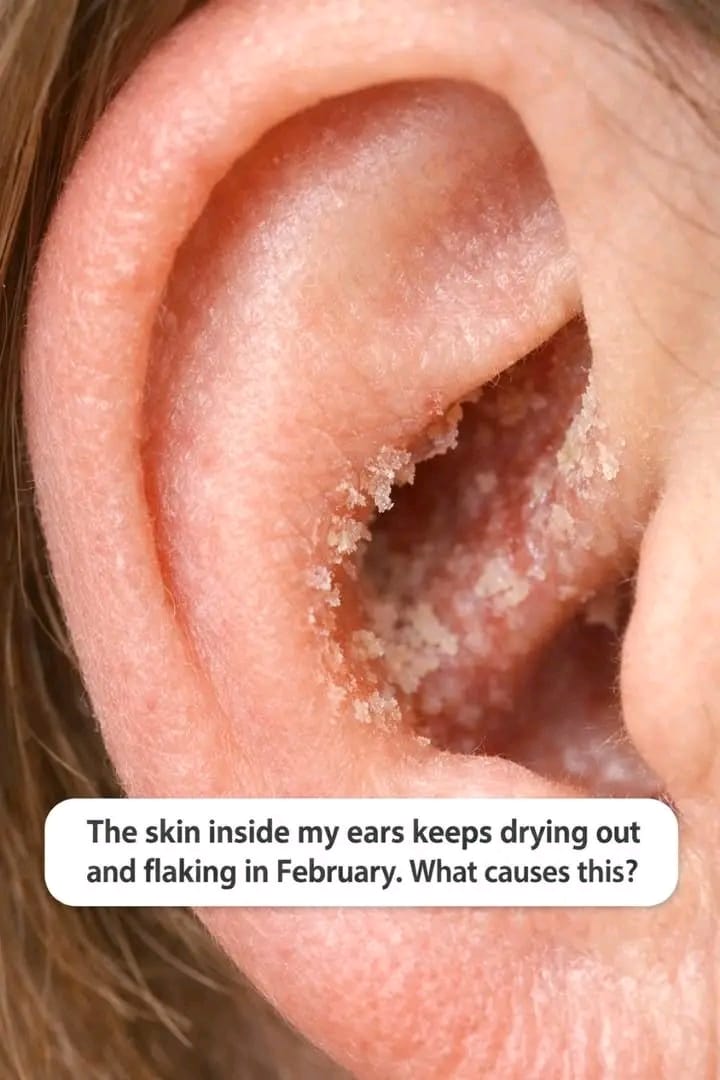
When Eczema, Psoriasis, or Dermatitis Target the Ear Canal
Chronic skin conditions like eczema, psoriasis, and dermatitis can affect any part of the body, including the ear canal. These conditions cause inflammation and dryness, leading to flaking and itching. Managing these conditions often requires a combination of topical treatments and lifestyle adjustments. It’s important to consult with a dermatologist to tailor a treatment plan that addresses your specific needs.
Earwax: How Overcleaning and Cotton Swabs Trigger Dryness
Earwax serves a protective function, acting as a natural moisturizer and barrier against dust and bacteria. Overcleaning your ears, particularly with cotton swabs, can strip away this protective layer, leading to dryness. It’s generally recommended to avoid inserting anything into the ear canal. Instead, clean the outer ear with a damp cloth and let your body naturally manage earwax buildup.
Harsh Soaps, Shampoos, and Hair Products That Irritate Ear Skin
Many personal care products contain harsh chemicals and fragrances that can irritate the sensitive skin of the ear canal. Ingredients like sulfates and alcohols are common culprits. Opt for gentle, fragrance-free products, and be cautious when washing your hair to avoid residue running into your ears. Rinse thoroughly and gently pat your ears dry with a towel.
Allergies to Earbuds, Hearing Aids, and Jewelry Metals
Materials used in earbuds, hearing aids, and earrings can cause allergic reactions in some people. Nickel is a common allergen found in many metal products. If you suspect an allergy, switch to hypoallergenic materials, such as silicone earbuds or gold-plated jewelry, and monitor your symptoms for improvement.
Infections, Itching, and the Vicious Cycle of Scratching
Ear infections can cause itching and irritation, prompting scratching that further damages the skin. This cycle can lead to increased dryness and peeling. It’s important to address the root cause of the infection and avoid scratching. Over-the-counter or prescription treatments may be necessary to resolve the infection and restore skin health.
