
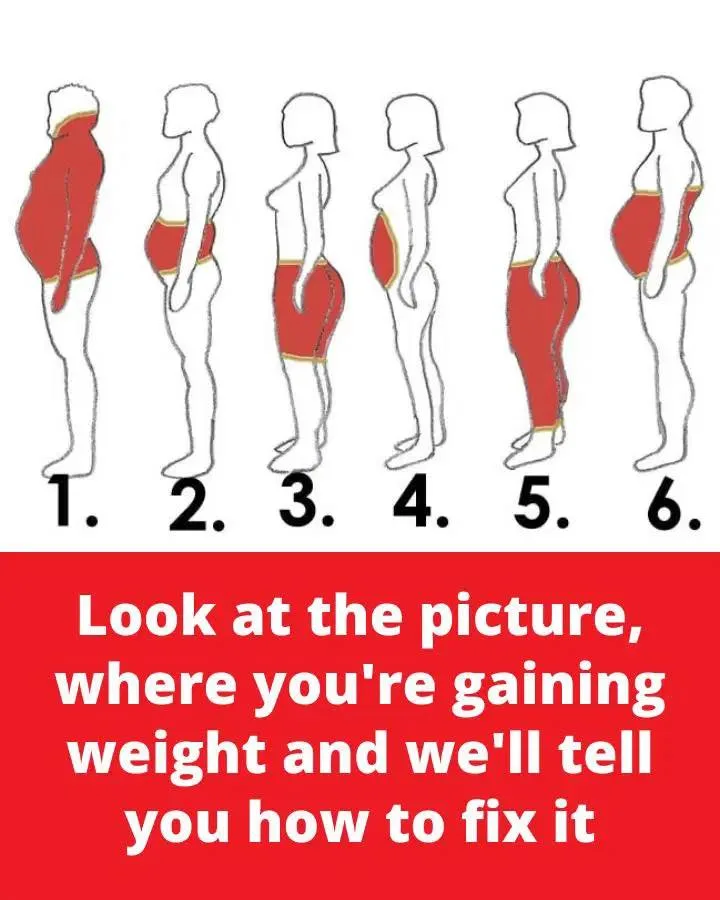
Obesity is a multifaceted issue that affects millions worldwide, and its complexity means that there is no universal solution. By examining how and where fat is stored in the body, individuals can tailor their weight management strategies to their unique circumstances. This article delves into the different types of fat distribution, their causes, and effective management techniques.
Main Types of Fat Distribution
Research indicates that fat accumulation varies significantly among individuals, necessitating personalized treatment approaches. A study involving 4,000 obese adults identified six primary categories of fat distribution:
1. Healthy Young Women: This group is characterized by being overweight but experiencing minimal health complications, such as type 2 diabetes.
2. Alcohol-Consuming Individuals: Similar to the first group, these individuals are overweight but have higher alcohol consumption levels.
3. Middle-Aged Individuals with Mental Health Issues: Typically women in their fifties, this group often suffers from anxiety and depression alongside obesity.
4. Older Wealthy Individuals: Despite being obese, this group maintains good health but may experience high blood pressure and increased alcohol consumption.
5. Adults with Chronic Illnesses: These individuals may have physical health issues, such as osteoarthritis, but report good mental health.
6. Individuals in Poor General Health: Often facing financial difficulties, this group suffers from multiple chronic illnesses.
This classification underscores the importance of developing personalized weight control strategies to effectively address obesity.
