
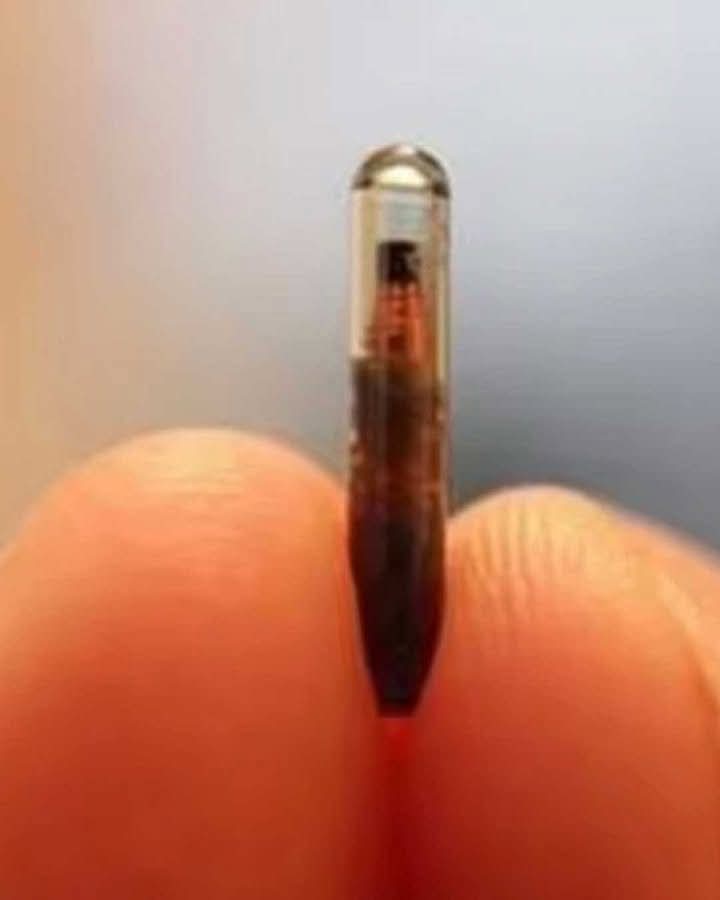
Imagine sitting down to enjoy a hearty meal, only to discover an unexpected object nestled against your meat. This unsettling experience can leave anyone puzzled and concerned. Recently, I found myself in this situation, prompting me to delve deeper into the world of RFID technology in the food industry. What are these devices, and how do they end up in our meals? Let’s explore the role of RFID trackers and what you should do if you encounter one.
Understanding RFID Trackers in the Food Industry
Radio Frequency Identification (RFID) technology is increasingly utilized across various industries, including food production and distribution. These small devices are designed to track and manage inventory, ensuring that products are efficiently monitored from production to sale. In the food industry, RFID tags help maintain supply chain integrity, track the origin of products, and ensure quality control.
Why RFID Trackers Are Used in Meat Products
RFID trackers in meat products serve several critical purposes. They allow producers and retailers to trace the journey of meat from farm to table, ensuring transparency and accountability. This technology helps maintain the freshness of the product, manage recalls efficiently, and prevent food fraud. By using RFID tags, companies can provide consumers with detailed information about the meat’s origin, processing, and distribution.
Identifying an RFID Tracker: What to Look For
RFID trackers are typically small, flat, and often encased in a protective material. They may resemble a sticker or a thin plastic tag and are usually attached to packaging or directly to the product. If you find an unfamiliar object in your food, inspect it closely. An RFID tag might have a small chip or antenna visible, and it may carry a serial number or barcode.
