
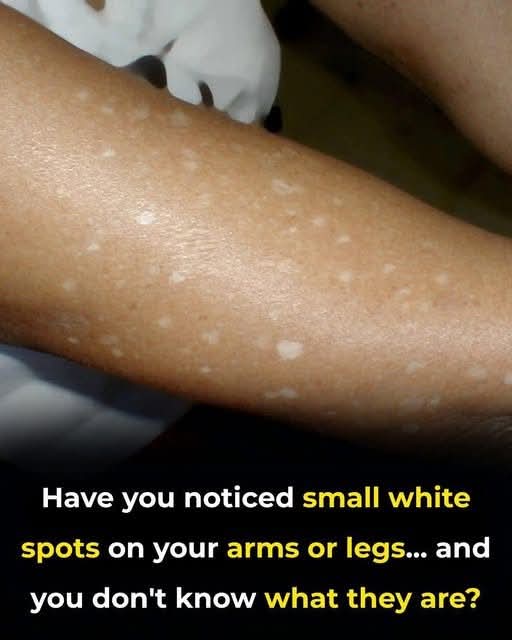
Noticing small white spots on your arms or legs can be concerning, especially when their origins are unclear. While these spots are often benign, they can sometimes indicate underlying skin conditions or lifestyle factors that warrant attention. By exploring the potential causes and management strategies, you can better understand whether these spots require medical intervention or simple lifestyle adjustments.
Common Causes of White Spots
Idiopathic Guttate Hypomelanosis (IGH)
One of the most prevalent causes of small white spots, particularly on sun-exposed areas like the arms and legs, is Idiopathic Guttate Hypomelanosis (IGH). This condition arises when melanin production decreases in certain patches of skin, resulting in tiny, round white spots. Generally harmless, IGH is often associated with aging or prolonged sun exposure.
Sun Damage
Excessive sun exposure can lead to skin cell damage and a reduction in pigment in specific areas, creating noticeable white patches. To prevent the formation of these spots, it is essential to use sunscreen and wear protective clothing when outdoors.
Fungal Infections (Tinea Versicolor)
A mild fungal infection known as Tinea Versicolor can also cause discolored patches on the skin, which may appear white. These patches can become more pronounced in humid conditions and may spread if left untreated.
Nutritional Deficiencies
Deficiencies in certain vitamins and minerals, such as calcium, vitamin D, or vitamin B12, can lead to changes in skin pigmentation. Ensuring a balanced diet can help mitigate these effects.
Dry Skin
In some instances, white spots may simply be areas of dry skin that appear lighter than the surrounding skin. Regular moisturizing can help reduce their visibility and improve overall skin health.
Vitiligo
Though less common, vitiligo is an autoimmune condition characterized by the destruction of pigment-producing cells, resulting in larger white patches. Unlike IGH, vitiligo spots tend to spread and require medical evaluation for appropriate management.
