
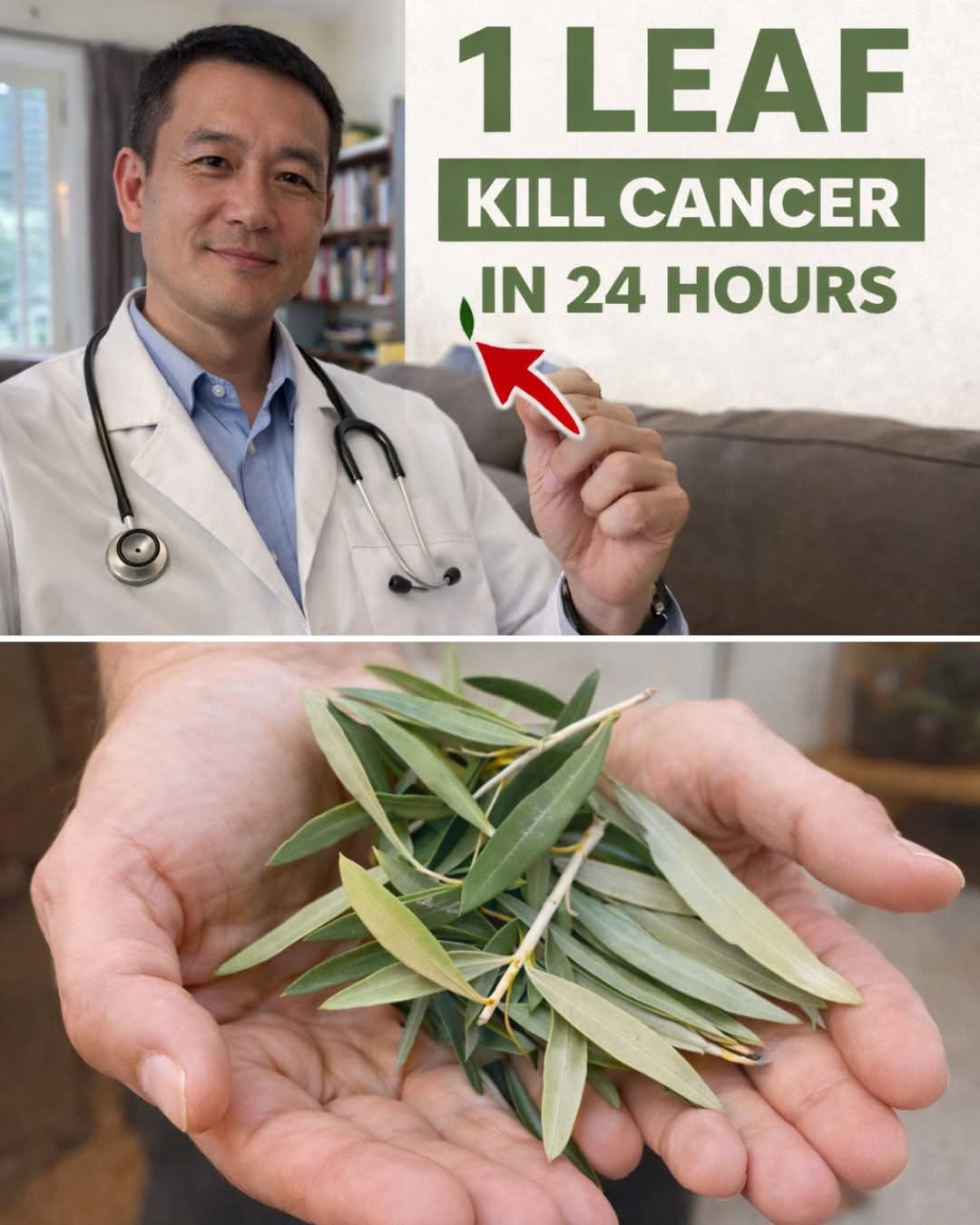
In a world where cancer statistics loom large, with approximately 1 in 2 men and 1 in 3 women in the United States facing a cancer diagnosis in their lifetime, the quest for effective wellness solutions has never been more critical. While many focus on lifestyle choices, the potential of natural plant compounds often goes unnoticed. One such compound, olive leaf extract, derived from the leaves of the olive tree, is gaining attention for its high polyphenol content and possible health benefits. This article delves into the science behind olive leaf extract and how it can be a valuable addition to your wellness routine.
Understanding the Need for Enhanced Wellness Support After 40
As we age, particularly after 40, our bodies face various challenges, including low-grade inflammation and oxidative stress. These factors can significantly impact long-term health. While maintaining a balanced diet and managing stress are essential, many individuals seek additional support for their body’s natural defenses. Research indicates that plant-based polyphenols, like those found in olive leaf extract, may provide valuable assistance in combating these age-related issues.
The Unique Benefits of Oleuropein in Olive Leaf Extract
Olive leaves are a remarkable source of oleuropein, a polyphenol that can comprise up to 25% of their dry weight. This concentration makes olive leaf extract one of the most potent sources of oleuropein available. Recent studies have shown that oleuropein and its metabolite, hydroxytyrosol, interact with various cellular pathways, exhibiting antioxidant properties that help neutralize harmful free radicals. This is particularly significant in the context of oxidative stress, which is a known contributor to various health issues.
Key Findings from Laboratory Research
In vitro studies have demonstrated that oleuropein and hydroxytyrosol can promote apoptosis, or programmed cell death, in certain cancer cell lines, including those associated with breast, prostate, and colon cancers. Notably, these effects are more pronounced in abnormal cells, suggesting a selective action that spares healthy cells. This selectivity is crucial for researchers exploring natural compounds that can target specific pathways without adversely affecting normal tissue.
Antioxidant Properties and Cellular Protection
Oxidative damage to DNA poses a significant risk to long-term health. Hydroxytyrosol from olive leaf has shown exceptional free-radical scavenging capabilities, often outperforming well-known antioxidants like vitamins C and E. This robust antioxidant support is vital for protecting cellular structures and maintaining overall health.
Exploring Additional Health Benefits
Research has also explored several other beneficial pathways associated with olive leaf extract:
- Anti-angiogenic Potential: Oleuropein may reduce VEGF expression, limiting the formation of new blood vessels that support abnormal growths.
- Cell Cycle Influence: Extracts have been shown to induce cell cycle arrest in various cell lines, slowing down uncontrolled cell division.
- Support for Metabolic Balance: Human trials suggest that olive leaf can improve fasting glucose levels and insulin response, contributing to overall wellness.
- Immune and Cardiovascular Support: Animal studies indicate enhanced natural killer cell activity and improved endothelial function.
These mechanisms work synergistically, offering comprehensive support that can enhance health over time.
