
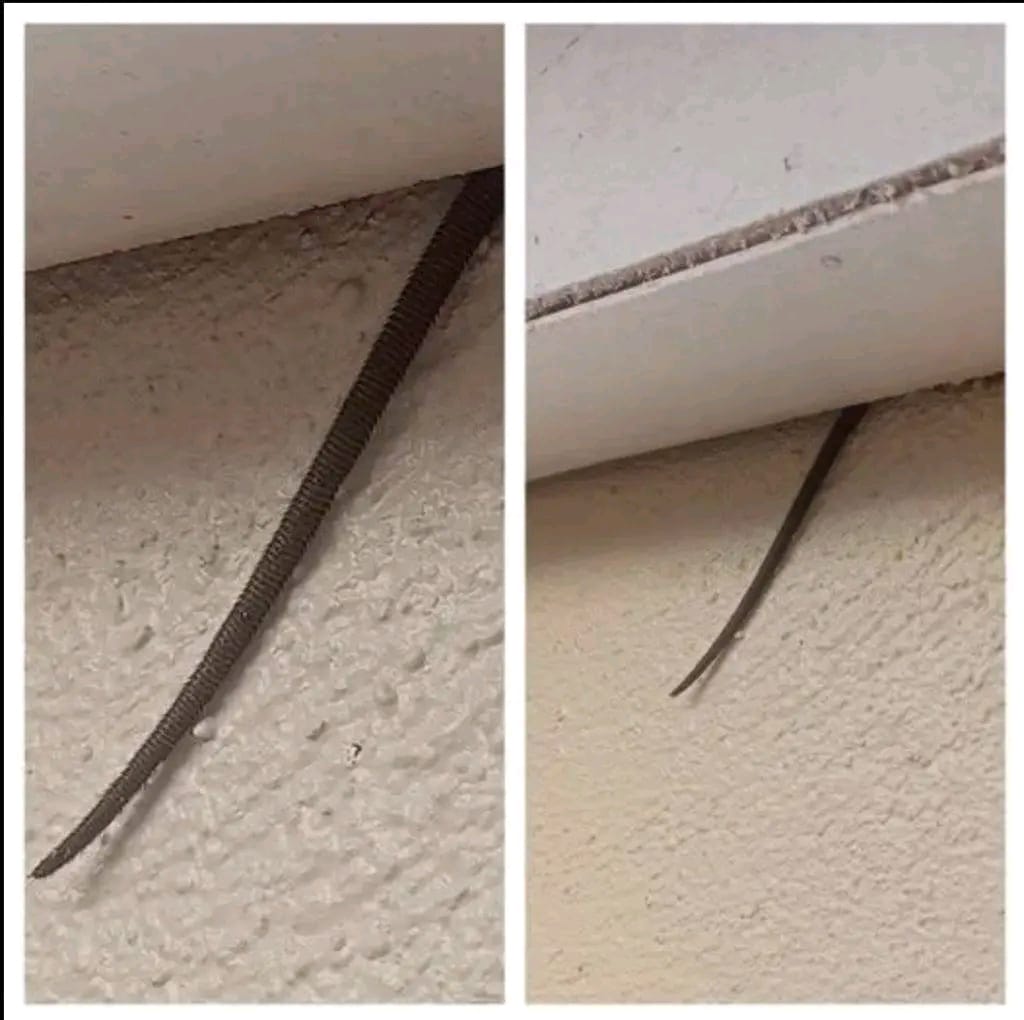
Have you ever been relaxing at home when something unexpected catches your eye? A small object protruding from your ceiling can be both alarming and puzzling. It’s not just a quirky decoration; it raises questions about safety and the integrity of your home. In this article, we will explore the common causes of these mysterious ceiling objects, when they might be harmless, and when it’s crucial to take action.
Understanding the Unease of Ceiling Anomalies
There’s something inherently unsettling about discovering an unexpected change in your ceiling. Unlike walls and floors, which can show wear and tear, ceilings are typically seen as static and unchanging. When something appears unexpectedly, it can trigger a sense of unease. This reaction is understandable, as ceilings often conceal vital components such as electrical wiring, plumbing, and structural supports.
Common Culprits of Ceiling Protrusions
Before jumping to conclusions, let’s examine the most frequent explanations for objects sticking out of ceilings—many of which are harmless.
1. Nails or Screws Popping Through
One of the most frequent offenders is a nail or screw that has gradually worked its way down. This can occur due to various factors, including:
- House settling
- Temperature fluctuations
- Vibration from foot traffic above
- Aging construction materials
While this can be concerning, it’s often not dangerous. However, it’s wise to avoid touching it until you determine if it’s supporting something above.
2. Leftover Hardware from Previous Installations
If your home once had light fixtures, hanging plants, or smoke detectors, you might be seeing remnants of hardware that were not properly removed. Over time, these objects can loosen and become visible, creating confusion.
3. Construction Remnants or Markers
In older homes, builders sometimes left behind chalk marks, wire ties, or small metal tabs that were never intended to be visible. These remnants can emerge as drywall shifts or thins, but they are generally harmless.
4. Exposed Electrical Wires
If you notice a thin wire that appears copper or green, this is a serious concern. Exposed electrical wires can pose fire risks, shock hazards, and code violations. If you suspect this is the case, do not touch it. Instead, turn off the power to the area and contact a qualified electrician immediately.
5. HVAC Components
Sometimes, what you see is a misaligned HVAC component, such as temperature sensors or condensation drain lines. While they may look out of place, these components serve a purpose and are more common in older homes or those with retrofitted systems.
6. Signs of Water Leaks
If the object is accompanied by water stains, sagging drywall, or moldy smells, it may indicate a water leak. In this case, the object itself is not the primary issue; the moisture is. Addressing leaks promptly is crucial to prevent further damage.
