
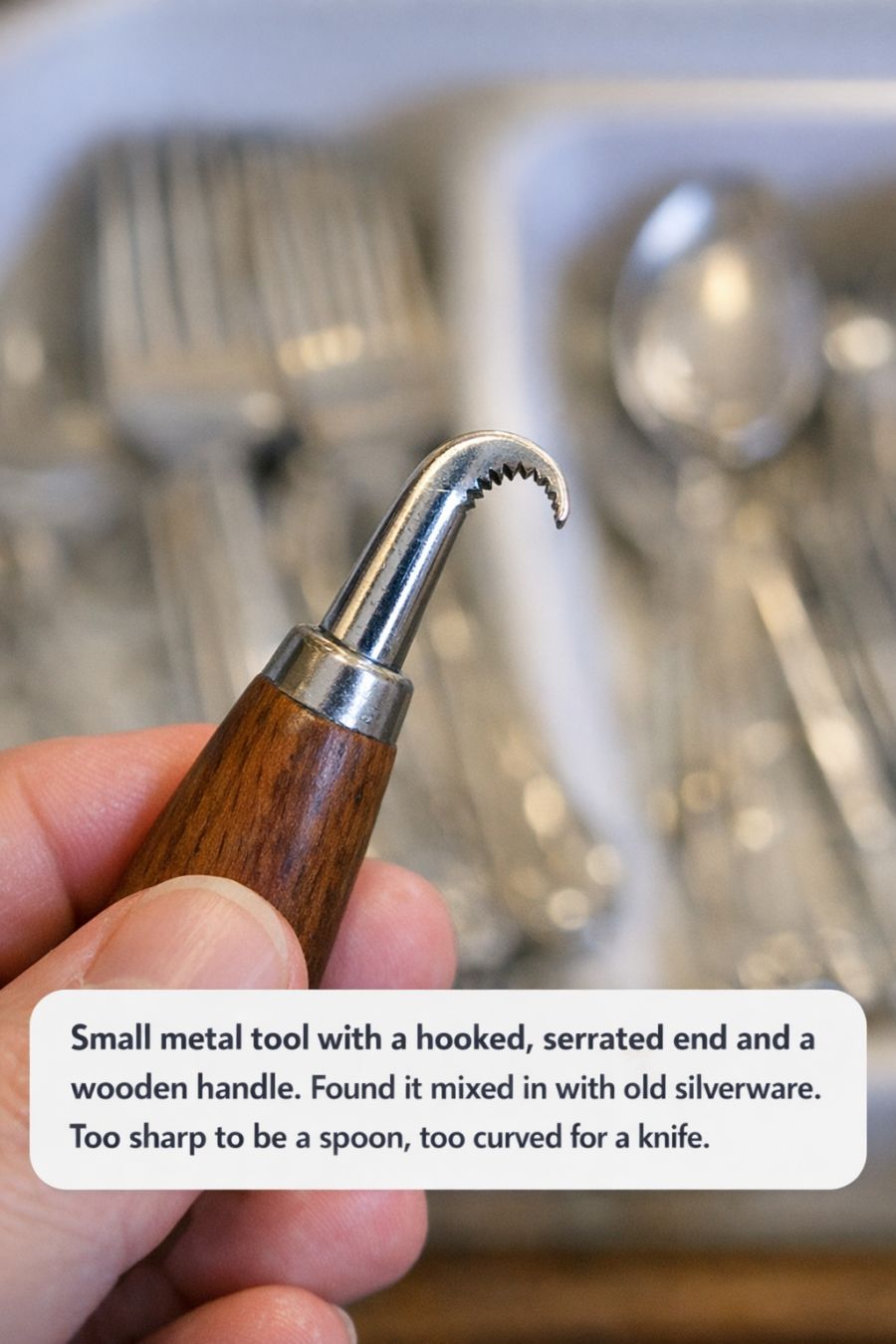
In the realm of vintage kitchenware, few items are as intriguing as the butter curler, a tool steeped in history and artistry. With its unique design and specialized purpose, this implement invites us to explore the elegance of dining from a bygone era. Join us as we uncover the identity and significance of this fascinating kitchen tool, revealing its role in the art of presentation and culinary tradition.
The Distinctive Design: A Closer Look at the Butter Curler
The most striking feature of the butter curler is its hooked, serrated end, designed specifically for carving delicate curls from a solid block of butter. Measuring approximately 1 to 2 inches in length, the serrated edge allows for intricate grooves that help maintain the shape and texture of the butter curls.
The gently curved hook resembles a small sickle, making it ideal for scooping and transferring the curls onto a plate without damaging them. This craftsmanship reflects a time when dining was not just a meal but an art form, emphasizing presentation and elegance.
Understanding Its Unique Functionality
At first glance, one might confuse the butter curler with more common utensils like spoons, forks, or knives. However, its design quickly clarifies its specialized function. Unlike a spoon, it lacks a bowl-like concavity, and its sharp serrated edge is not suited for scooping liquids.
Similarly, the curved hook makes it impractical for traditional slicing or spreading, distinguishing it from standard knives. The absence of tines further eliminates any comparison to forks, highlighting its unique role in the culinary toolkit.
The Historical Significance of the Wooden Handle
The wooden handle of the butter curler is another key feature that hints at its age and purpose. Typically made from durable hardwoods like oak or walnut, the handle provides a comfortable grip essential for the precision required in curling butter.
Over time, the wood may develop a charming patina, adding to its historical significance. With a length of around 4 to 6 inches, the handle is proportionate to the metal end, ensuring balance and ease of use—characteristics that were common in vintage kitchen tools designed for both functionality and elegance.
The Vintage Butter Curler: A Symbol of Sophistication
The butter curler is not just a tool; it is a vintage artifact that played a crucial role in formal dining settings. Once considered essential, butter curlers transformed simple blocks of butter into decorative shapes, enhancing the dining experience with a touch of sophistication.
Popular from the late 19th century to the early 20th century, these tools reflected a time when elaborate table settings were a hallmark of hospitality. The art of butter curling was not merely about aesthetics; it symbolized the host’s commitment to providing an exceptional dining experience.
