
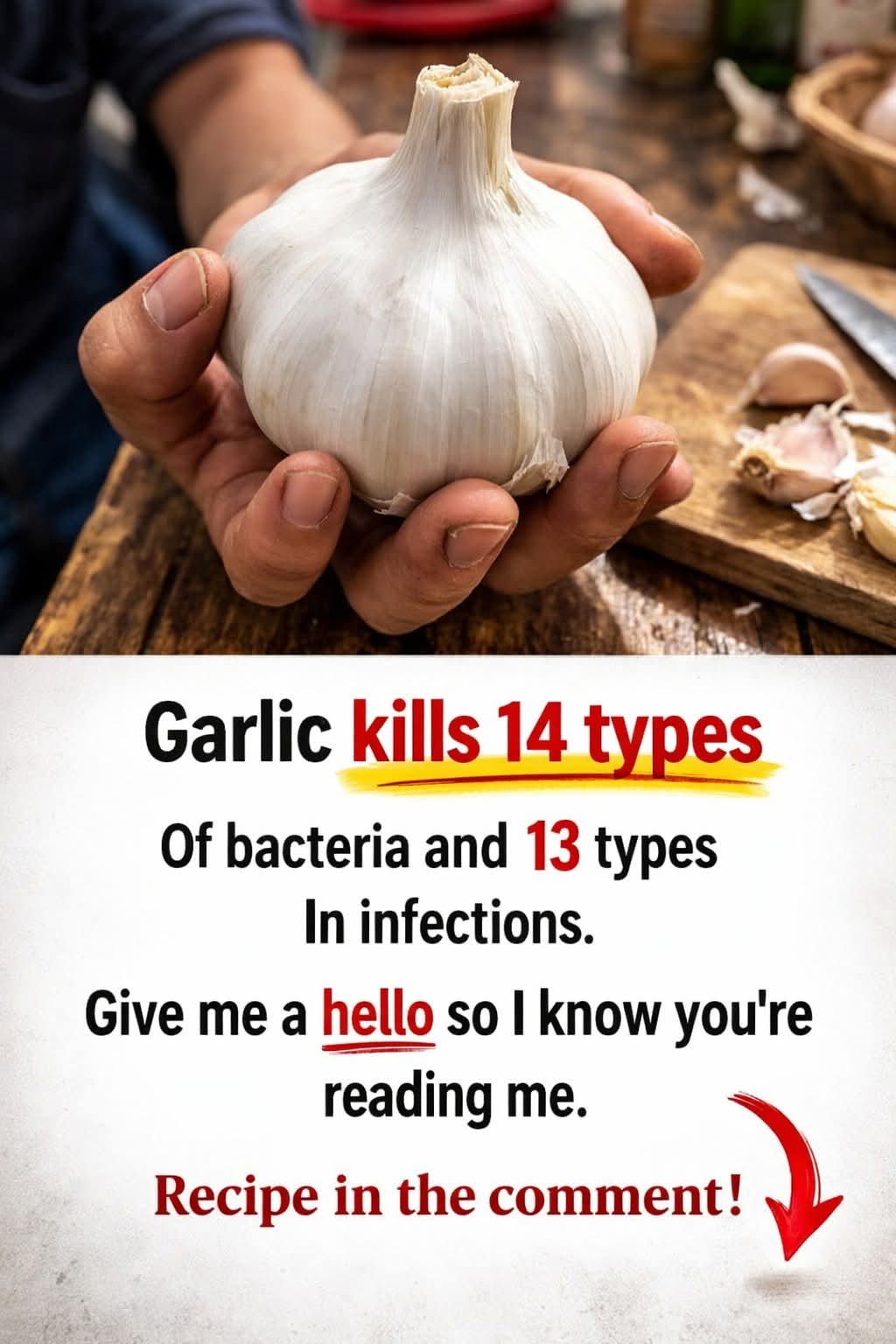
Garlic has long been celebrated as a miracle food, revered not only for its culinary uses but also for its remarkable medicinal properties. This powerful natural antibiotic is packed with compounds that can bolster your immune system and combat harmful bacteria. If you’re looking for an effective way to enhance your health, it may be time to consider adding garlic to your daily routine.
Why Garlic Is So Powerful Against Bacteria
Garlic has been recognized for its healing properties for thousands of years. Ancient civilizations, from the Egyptians to the Greeks, utilized garlic to treat infections and promote overall health. Research indicates that garlic can effectively kill 14 types of bacteria and combat 13 types of infections, making it a safe, natural, and readily available remedy.
Allicin: The Key Ingredient
The magic of garlic lies in its allicin content. When garlic is crushed or chopped, allicin is produced, which is responsible for garlic’s distinctive aroma and its potent medicinal properties. Allicin exhibits antibacterial, antiviral, and antifungal characteristics, providing robust protection against infections. Studies show that allicin can effectively combat a wide range of pathogens, making garlic a versatile ally in maintaining health.
Boosts Immune System Function
Garlic doesn’t just kill bacteria; it also enhances the body’s ability to fend off infections. By stimulating the production of white blood cells, garlic strengthens the immune response, making it easier to ward off illnesses. Regular consumption of garlic may reduce the severity and duration of infections, offering a natural alternative to traditional antibiotics.
Helps Fight Fungal Infections
In addition to its antibacterial properties, garlic also possesses antifungal capabilities that can help combat conditions like athlete’s foot and candida overgrowth. Its ability to inhibit fungal growth makes garlic a natural solution for preventing and managing fungal infections.
